
Ten years back, we were the workshop behind the scenes, grinding away on components and tightening tolerances while the big global brands took the spotlight. What we learned in that time is that comfort isn’t just about heat—it’s heat that hits fast, holds steady, and doesn’t bleed your wallet every time it runs. That lesson is what we built on.
What matters, technically
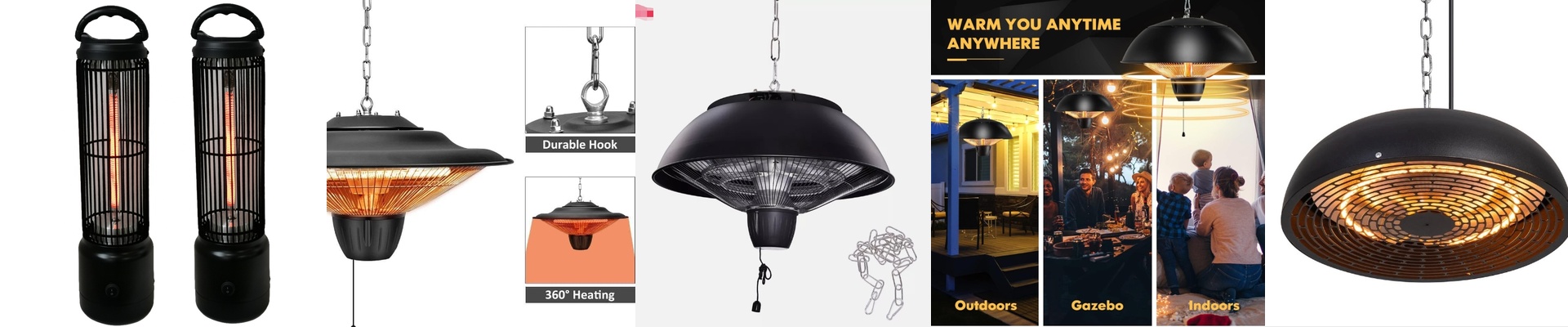
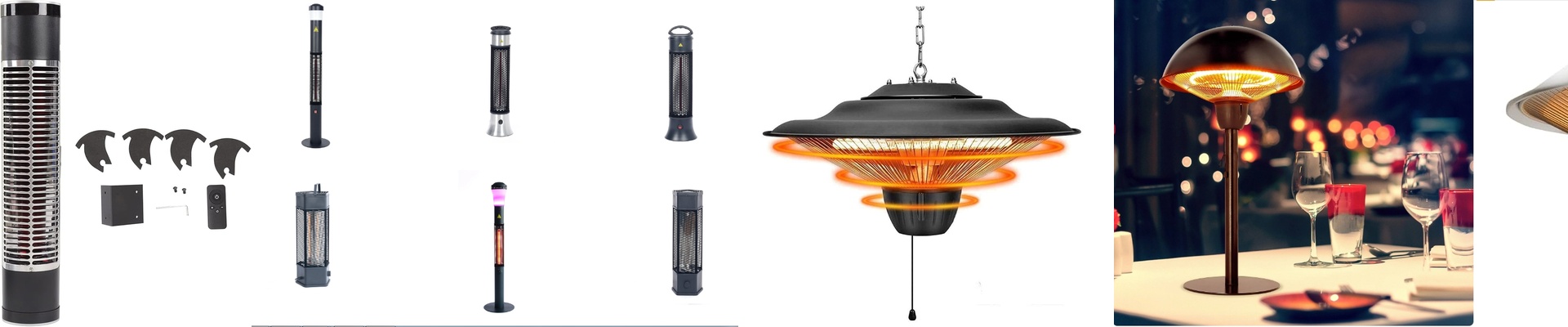
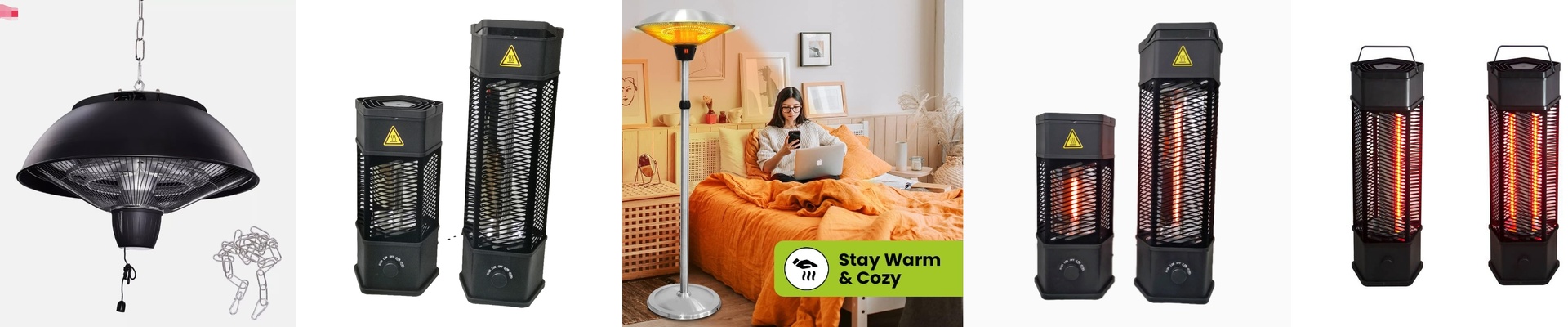
This infrared electric heater leans on a carbon fiber element inside a high-transmission quartz tube. The result is radiant heat that warms people and objects directly, not the air around them. You get targeted warmth in seconds, with no fan noise and very little wasted heat. In practice, you feel it right away—consistent comfort without the drafts and the dryness that come with forced-air units. The design stays efficient because nearly all the input gets turned into infrared warmth, and the built-in thermostat keeps output steady, so energy use stays measured.
Why it holds up in real use
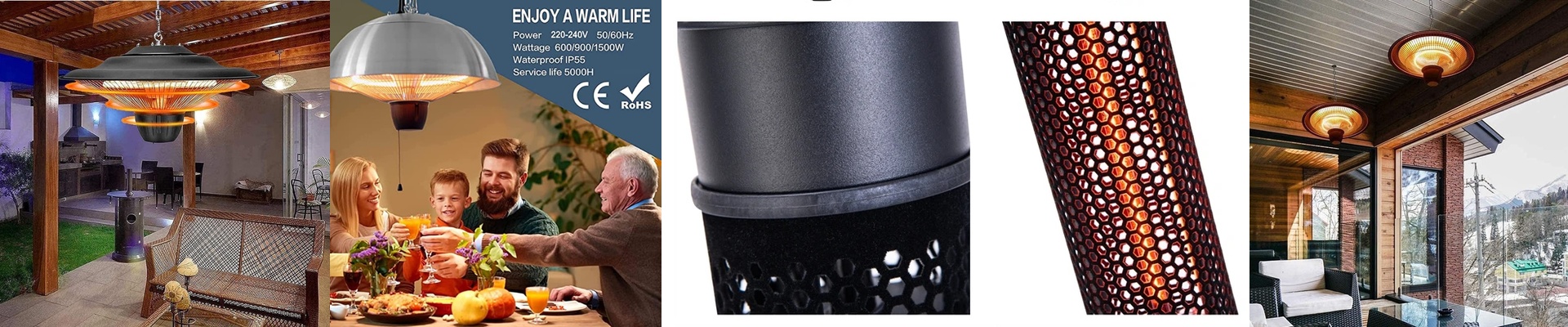
When we stepped out from behind the scenes, we had to prove performance where it actually matters: homes, patios, and those cold evenings that sneak up on you. A decade of refinement came down to reliability—solid housing, connections that stay tight, and elements run through long test cycles. For you, that translates to fewer headaches when the temperature drops. You get infrared warmth that makes outdoor living practical, indoor corners cozier, and everyday routines more comfortable. And because it heats on demand, you’re not paying to warm empty space, so the energy bills stay in check.
What to keep in mind
For the best results, place the heater where the infrared beam has a clear line of sight to the people or zone you want to warm, and try to keep it out of heavy drafts. It runs on standard household power and has a compact footprint, but remember—it radiates directionally.Position matters. If you need broader coverage, it’s usually smarter to add a second unit instead of pushing one heater to do too much. That honesty is part of the job: comfort lands best when the setup actually matches the space.