
Technical Deep-Dive: Power, Voltage, and Dimensions
Let’s cut through the noise. These heaters are built for serious industrial work, not warming up a chilly office. We’re talking high-density heat, fast. You get 2500W of output from a 400V input. That combo means you hit your target temperature quickly and hold it steady, even in a cramped space. The 300mm tube is a smart move, too. It focuses all that power into a tight footprint, so you can slot serious heat into a machine bay without overhauling the whole setup. It’s powerful, yes. But it’s also smart about power draw, so your industrial lines don’t get overloaded. Just remember, you’ll need a control circuit that’s up to the task.
Material & Design: Halogen, Coating, and R7s Connection
Inside, the halogen element lives in a quartz tube. It’s a clever bit of engineering that keeps the filament healthy by constantly regenerating it. The payoff? Less blackening over time, and consistent heat output that you can count on, day after day. The tube also has a reflective coating. It’s not just for looks. It pushes the infrared energy right where you need it—forward onto your target—and wastes less heat to the sides. And the R7s end-cap? It’s the industry standard for a reason. It makes a rock-solid connection, can take the heat, and it’s a simple drop-in replacement. No fuss, no drama.
Application & Benefits: Tough Duty, Realistic Constraints
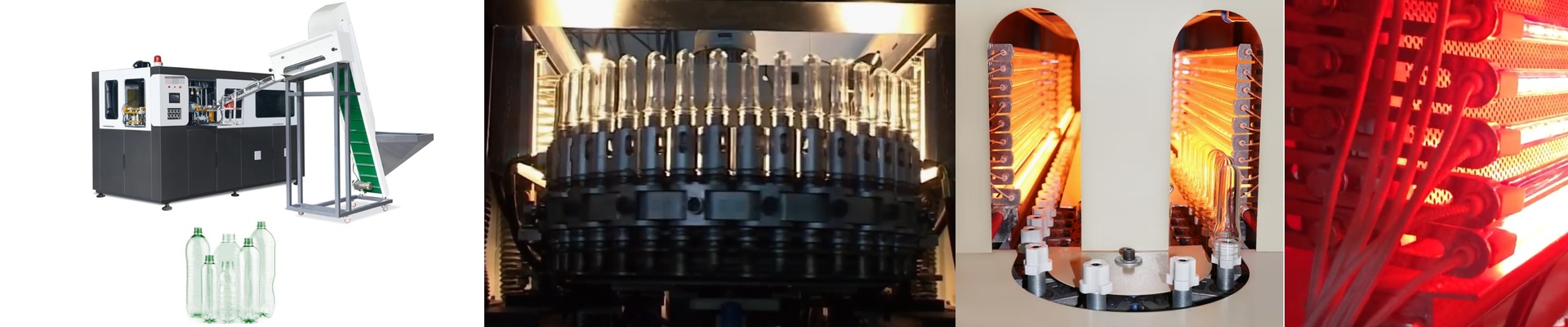
These heaters thrive where the going gets tough. Think plastic processing, forming tools, packaging sealing—places where you need heat, fast, and in one specific spot. You’ll also get some peace of mind thanks to the overheat protection. If things start running too hot, it cuts the power automatically. That protects the heater itself and everything else nearby. Now, here’s the reality check. All that 2500W density creates a lot of heat. So your machine’s cooling and airflow need to be up to the job. Plan accordingly, and you’ll be golden.