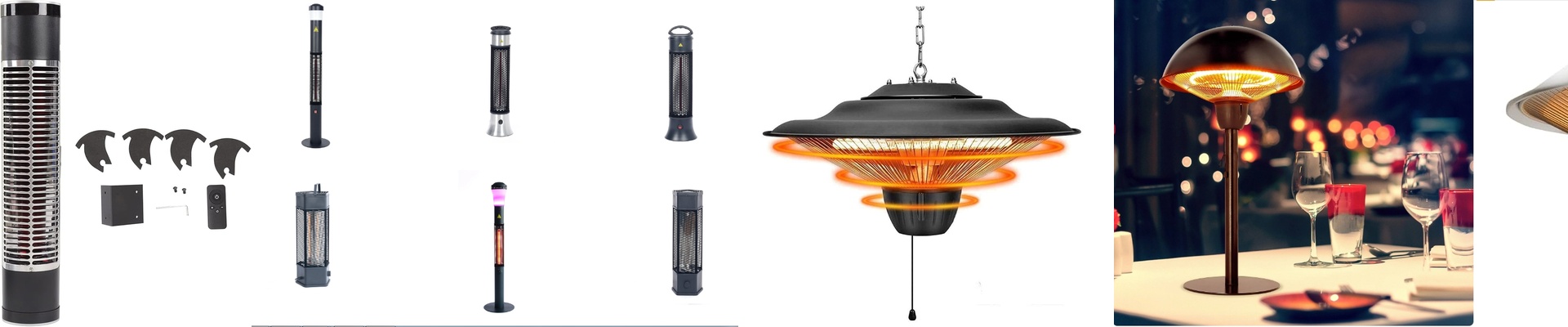
Getting to the Heart of It: Power and Size
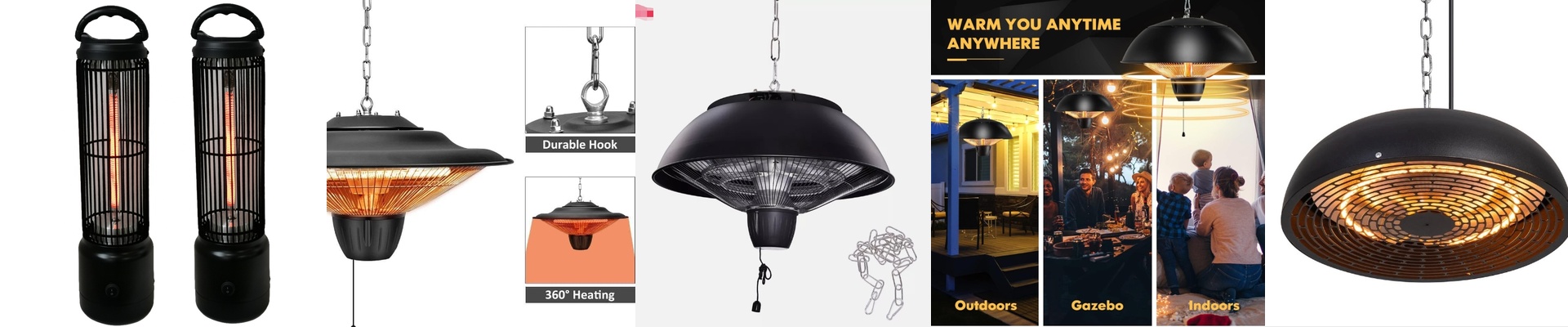
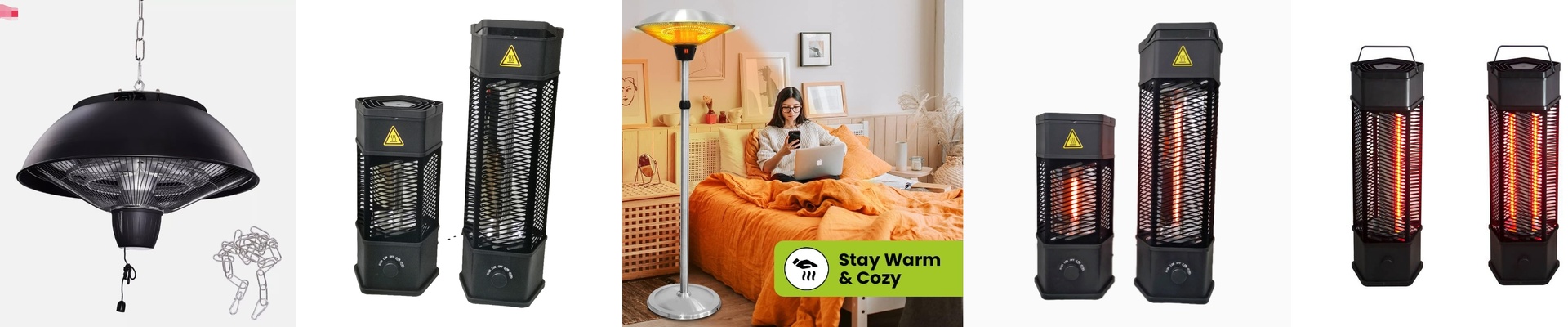
Let’s talk about what makes this backyard heater actually work for you. We built it around a 300mm, 2500W, 400V halogen tube. The goal? To pack a serious amount of heat into a small, tidy package. The 400V rating isn’t just a number on a label. It’s there for one reason: to keep things rock-solid. It means the unit draws less current, so you get less energy lost along the line compared to a standard 230V heater. And that 2500W output? It translates to fast, deep-down infrared warmth. You feel it almost instantly, warming surfaces in a flash. The 300mm length keeps the heat focused where you need it. No need for a giant fixture. It’s perfect for heating a specific spot without overdoing it. The upshot? You get a predictable heat load. It makes sizing your controls and managing the temperature straightforward, not stressful.
Inside the Build: Halogen, Quartz, and the R7s Connector
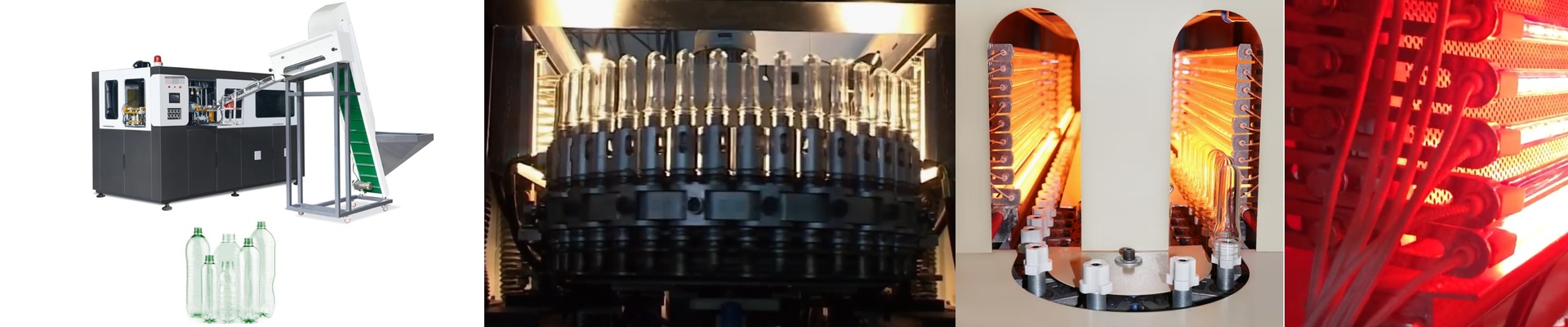
At the core, you’ve got a halogen element sealed inside a quartz envelope. Quartz is the hero here. It handles the extreme heat of the filament and shrugs off thermal shock without a problem. The halogen part does its own magic, too. It keeps the filament stable by recycling tungsten back onto it. So, the output stays consistent over the tube’s entire life. The inside of the quartz tube has a special coating, too. It helps manage UV and spreads the heat more evenly. Then there’s the R7s connector. It’s a double-ended, linear contact design that makes wiring a breeze. It handles the current cleanly, with no need for extra adapters. If you’re working with a compatible fixture, it’s a simple drop-in.
Where It Shines: Real-World Use and What It Means for You
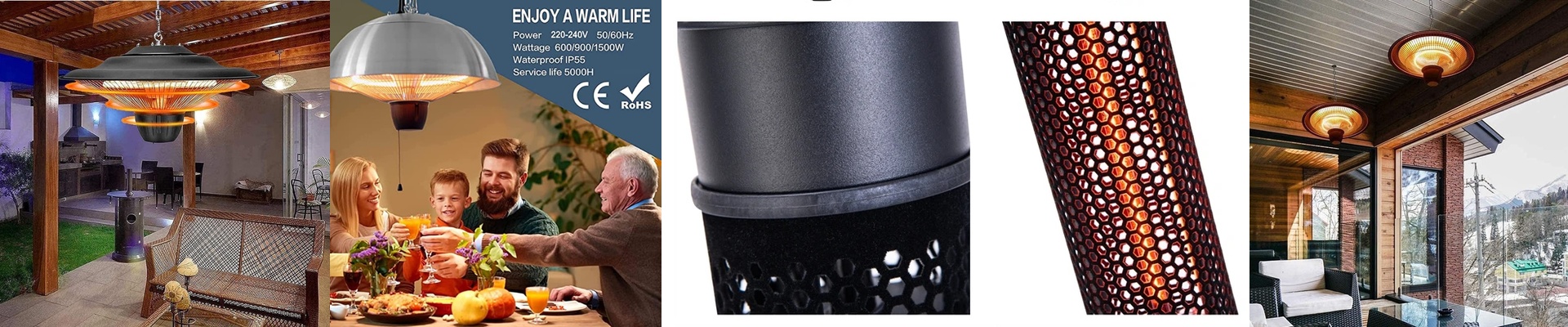
This heater really comes alive in outdoor or semi-enclosed spots. It doesn’t waste time heating the air. It sends out direct infrared warmth that hits people and surfaces directly. It’s that immediate, comforting heat you feel on your skin, not just a number on a thermostat. Running it on 400V is a practical win, too. You can use smaller wiring, and your runs are simpler to plan out. And that compact 300mm tube? It slips easily into tight spots, where bulkier heaters just wouldn’t fit. The R7s connector speeds up the install and helps prevent those pesky hot spots at the ends. Now, here’s the part to keep in mind. That high power density means the fixture needs proper breathing room and solid thermal protection. Just plan for ambient derating and make sure you have over-temperature safeguards in place. It’s all part of setting it up right.