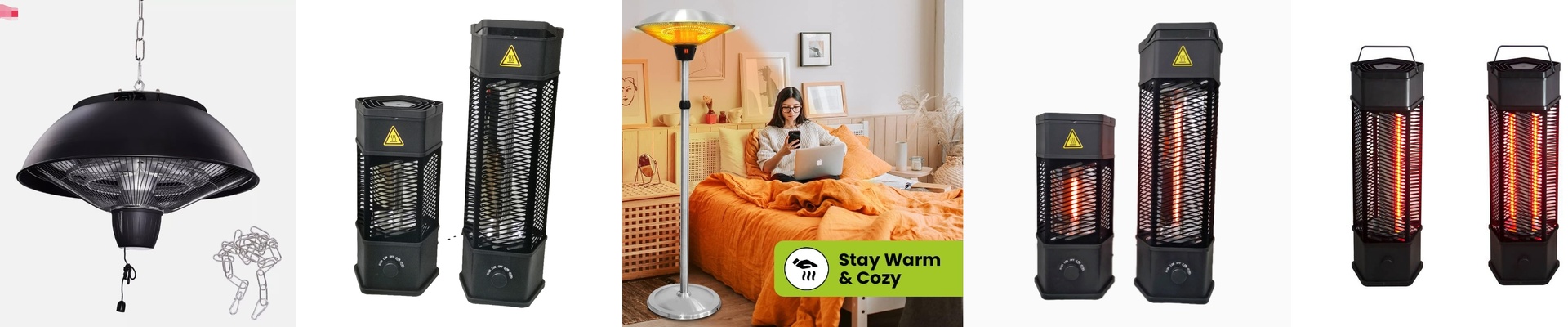
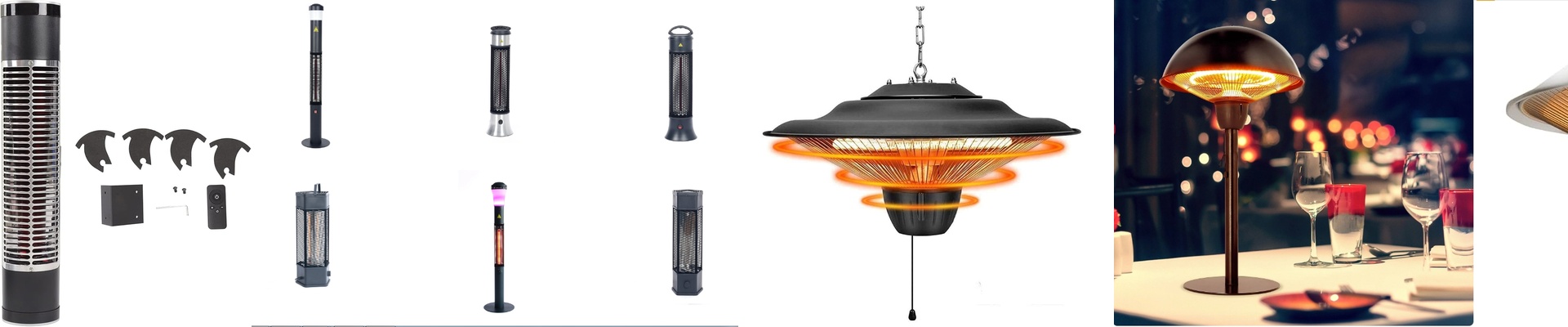
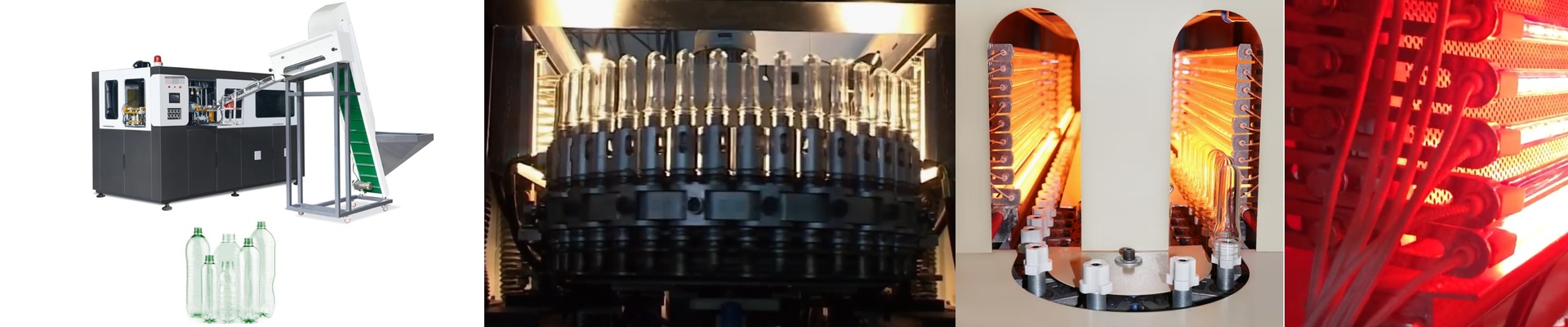
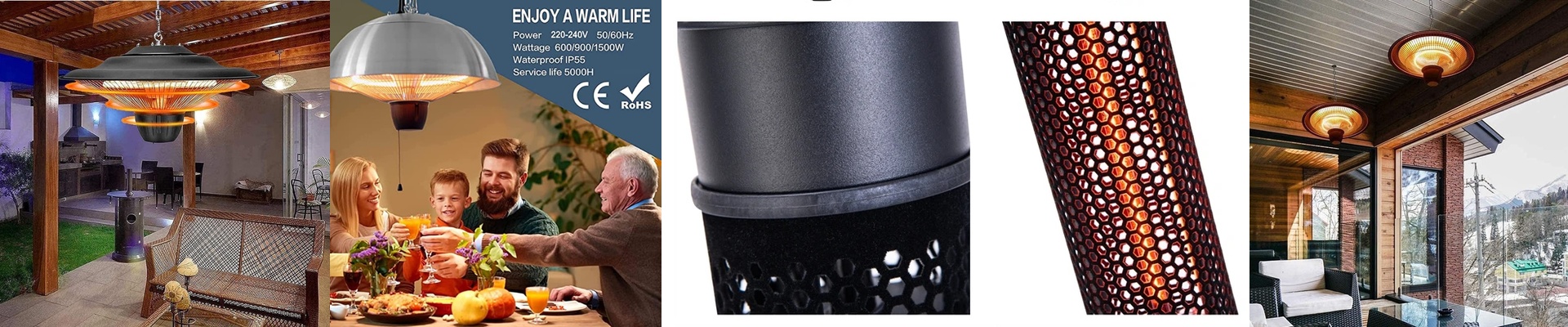
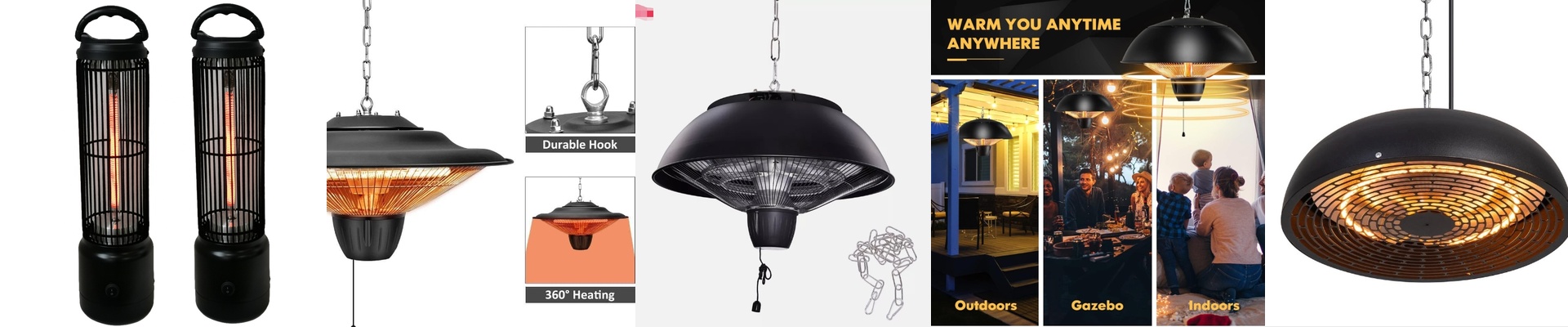
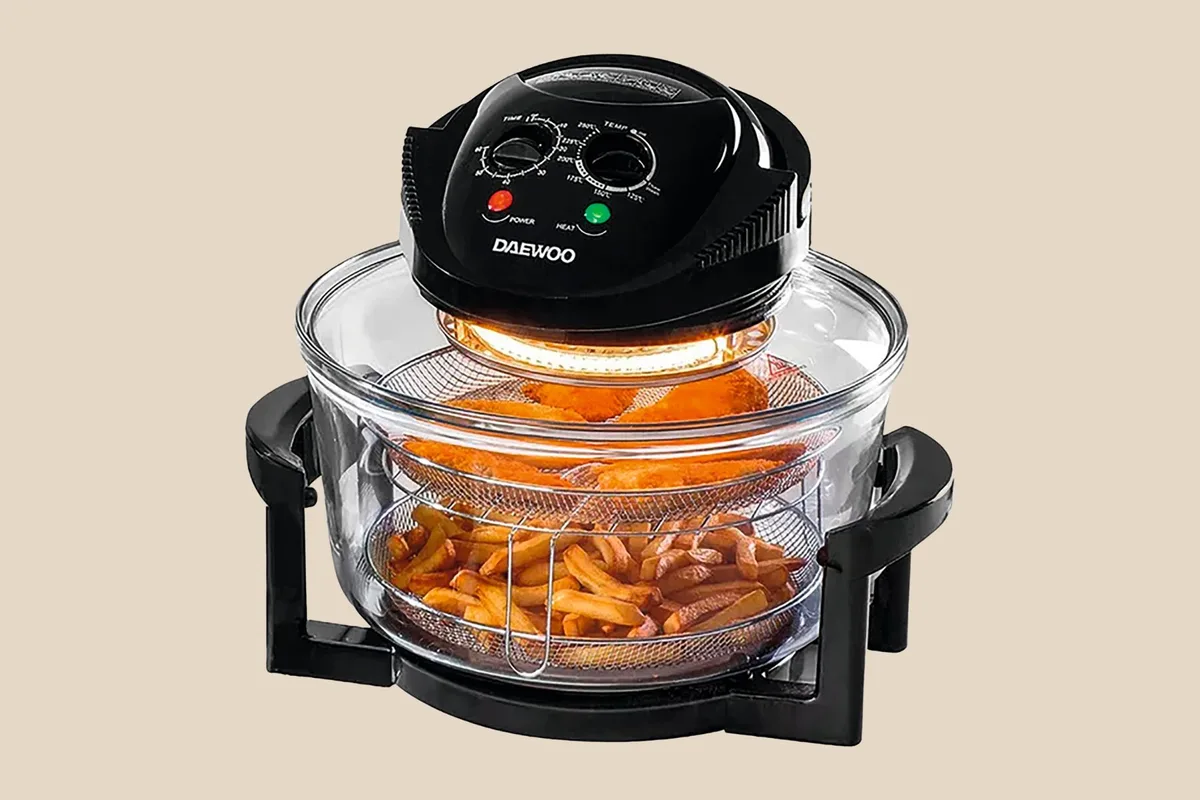
It all comes down to heat. When heat misses, the whole line stutters. In a busy commercial kitchen, one weak heating element doesn’t just bog down one station—it throws off prep timing, pushes tickets, and turns what should be predictable into a crapshoot. You hear it in the crust that should have snapped. You see it in fryer oil that won’t recover. You feel it when the oven can’t hold setpoint once the rush hits. We built the twin quartz ceramic heater package to cut through that uncertainty. This isn’t a cosmetic tweak. It’s a straight-up heating core, designed for steady, repeatable temperature behavior—whether you’re running deck ovens, rotary ovens, convection ovens, or needing serious recovery on countertop fryers.
What matters under the hood
At the heart of the twin quartz ceramic heater is a quartz tube with an integrated ceramic body. It’s engineered to come up fast and hold steady, without the drift you get from older element designs. The “twin” part matters because you get two independently controlled heating zones in a compact footprint—handy when you need edge-to-center balance, or when a single oven has to act like two distinct heat zones. Here are the points you can actually plan around:
- **Fast recovery, repeatable output:**Quartz ceramic heaters hit operating temperature quickly, so you spend less time waiting for the baking chamber or fryer pot to come back up after loading. In service, that means fewer “wait-for-heat” moments.
- **Even heat distribution:**The ceramic core spreads energy more evenly across the element surface, which cuts down localized hot spots and helps keep product color consistent—whether you’re browning a pan of fries or finishing a pizza on a stone hearth.
- **High-temperature durability:**These heaters are built to run hot, the way commercial ovens and fryers demand, without softening, warping, or losing mechanical integrity. That means fewer mid-service shutdowns and less downtime.
- **Electrical configuration options:**Depending on the application, we supply twin quartz ceramic heaters in standard voltage options and common connector types, so they integrate into existing equipment wiring without re-engineering the whole chassis. On a build or a retrofit, you get a drop-in fit instead of a custom wiring job.
Why this makes sense in real kitchens
Commercial ovens and fryers don’t get used like home gear. They cycle hard, sit idle hot, and get hammered by temperature swings all day. The twin quartz ceramic heater is built to match that reality.
In commercial ovens (deck, rotary, convection)
- **Deck ovens:**You need top heat that responds instantly and bottom heat that holds steady. The twin layout lets you tune the top element for caramelization while the lower element keeps a consistent hearth temperature. The payoff is more predictable crust development and fewer burnt edges.
- **Rotary ovens:**Load after load, the heating system has to recover fast and stay stable. Quartz ceramic heats quickly and holds setpoint with less overshoot, so rotary racks come out even—batch after batch.
- **Convection ovens:**With airflow moving heat around, the element has to deliver clean, steady energy without wild cycling. The fast response of quartz ceramic supports tighter temperature control, which matters when you’re running delicate pastries, proteins, and high-volume roasting on the same line.
In fryer applications
A fryer heater has one job: bring oil back to frying temperature fast. Slow recovery stretches the time between baskets, slows tickets, and accelerates oil degradation. Twin quartz ceramic heaters deliver high heat density in a compact zone, so the oil recovers quickly after a heavy load. That keeps the fry station moving when service peaks.
In the workflow
Every minute spent waiting for heat is a minute your staff isn’t plating. With twin quartz ceramic heaters, you get:
- Shorter preheat and recovery windows
- More consistent doneness across pans and racks
- Fewer temperature swings during rush
- Less wasted energy from repeated cycling If you run a pizza operation, that means the oven comes back to temperature fast after each pie, preserving leoparding and crisp lift. If you run a bakery, you get repeatable crust and crumb without chasing the thermostat. If you run a restaurant service line, the fryer keeps pace with ticket flow instead of becoming the bottleneck.
The real-world details you need
Twin quartz ceramic heaters are straightforward to install, but they do have constraints you should plan for.
- **Clearance and airflow matter.**These heaters run hot, and they need proper spacing and ventilation to avoid overheating nearby components and to keep temperatures stable. Cram the unit into a tight cavity without airflow and you’re asking for premature component stress.
- **Match the control to the heater.**Quartz ceramic elements respond quickly, so your thermostat or control strategy needs to keep up. If your equipment uses an older control profile, consider pairing the upgrade with a modern control that can manage rapid cycling without overshoot.
- **Compatibility is application-specific.**We size heaters and connectors to common commercial oven and fryer configurations, but kitchen equipment varies—especially when you’re retrofitting older units. Confirm voltage, mounting, and lead routing before final installation. If your kitchen runs on consistent heat, the twin quartz ceramic heater gives you a dependable way to get there—one controlled, repeatable cycle at a time.