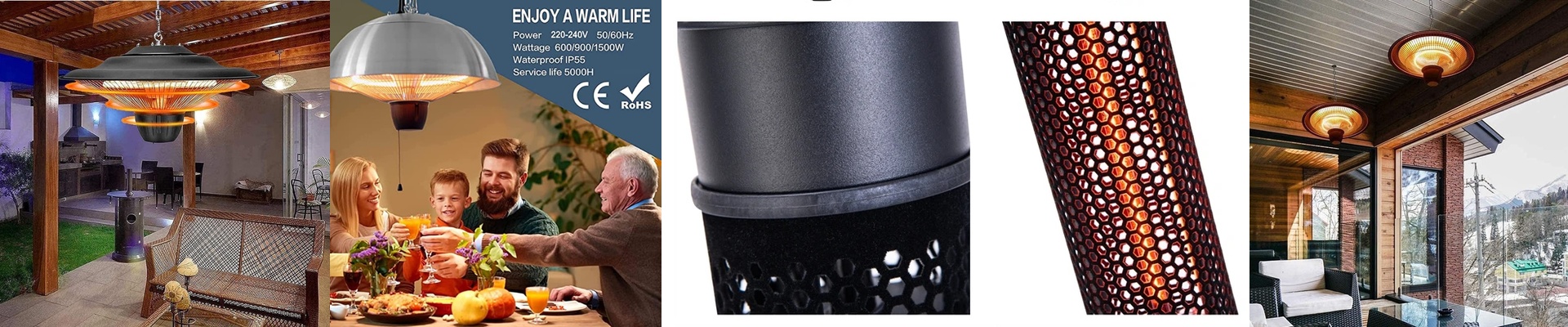
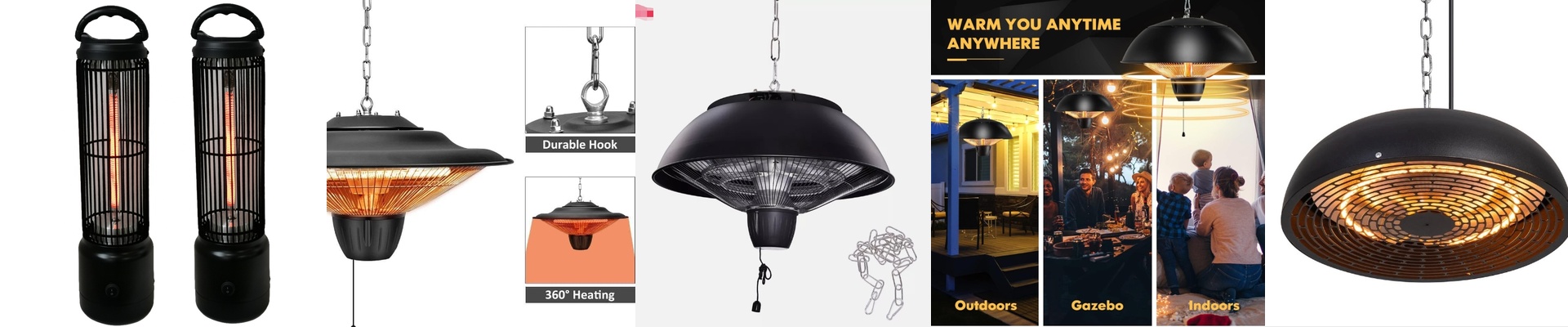
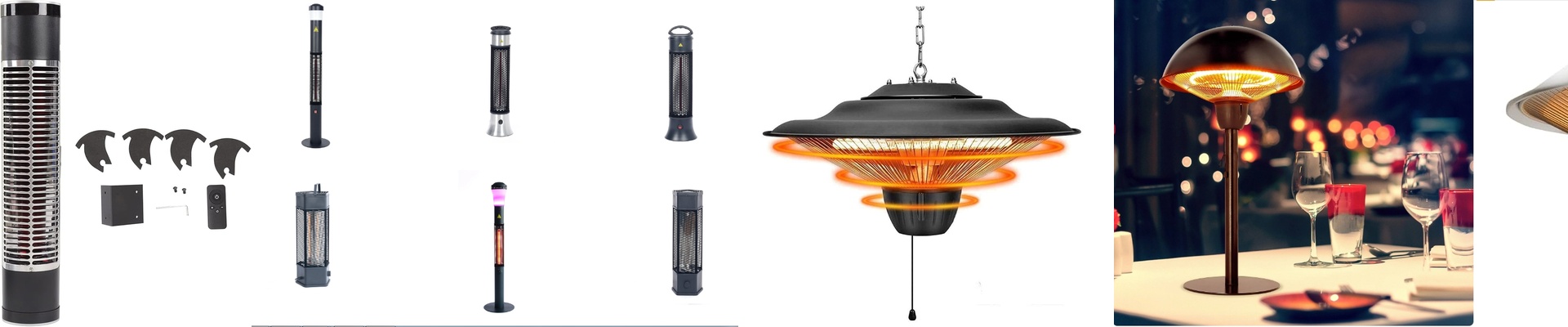
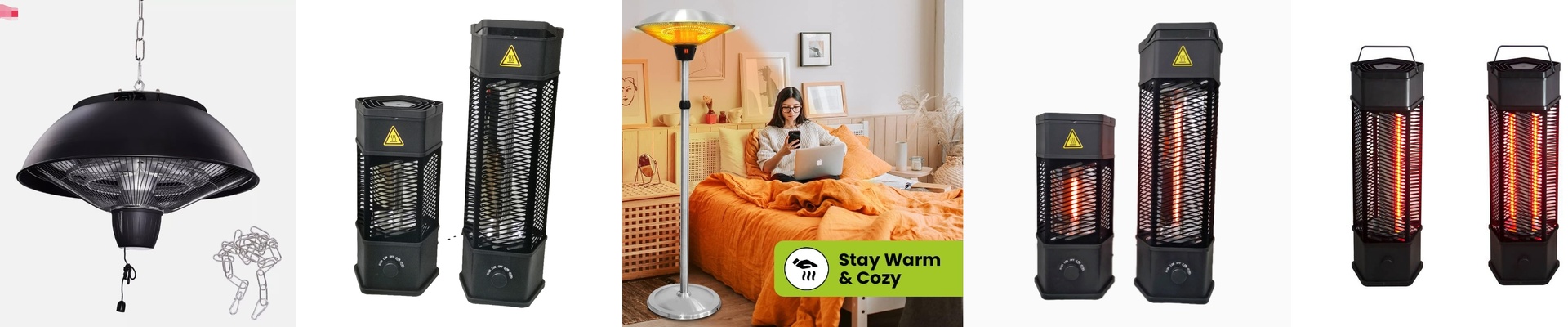
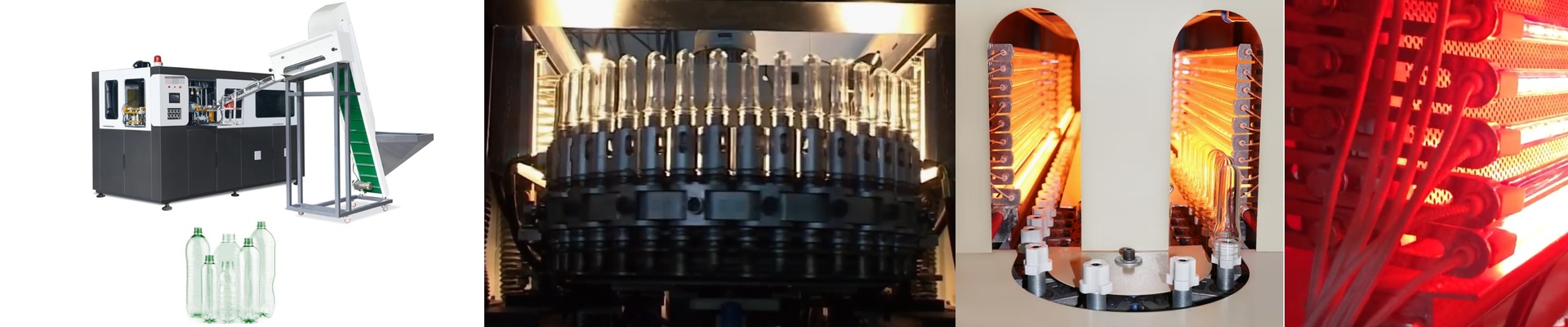
On the factory floor, the question is straightforward: how do you build an infrared heater that delivers immediate warmth without weighing on the environment? We start with low-halogen quartz tubes and housings made from recycled aluminum, then trace every kilogram of material right through to sealed packaging. The end result is a mantle fireplace heater engineered to run clean—from the first sketch to the last box out the door.
What matters, technically
Inside this unit is a medium-wave infrared element, chosen because it gives you even heat with minimal noise. It puts out 1,500W of radiant power on 120V, and it plugs into a standard NEMA 5-15, so most homes don’t need any rewiring. A built-in thermostat keeps the space at your comfort level, and the tip-over protection cuts power the moment the heater is disturbed. The quartz assembly is sealed, so the element stays protected and the heat stays consistent—even when the air outside turns damp.
Why it fits these spaces
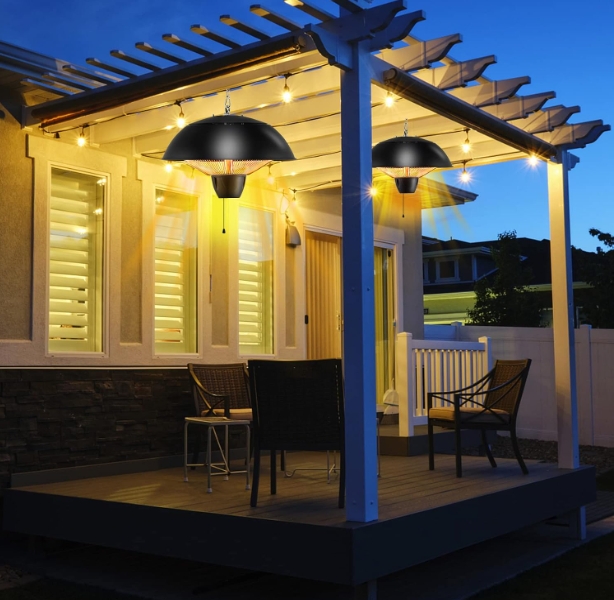
Whether it’s a living room or a covered patio, comfort has to show up fast and feel natural. Infrared warmth targets people and surfaces, not just the air, so you feel the heat within seconds of turning it on. That means fewer drafts, less dryness, and a steady glow that sits well with the mantle look. Because the heater runs on demand, you’re not heating an empty room, which helps keep energy use in line while you enjoy a cozy reading spot, a quiet evening with family, or an outdoor corner that’s ready for conversation.
What you need to keep in mind
For the best experience, position the heater so the infrared beam hits occupants directly, and keep a clear 3-foot clearance around it. It’s designed for indoor and covered outdoor areas—not for fully exposed weather. And yes, the materials and assembly are chosen to reduce environmental impact, but the most efficient heat still depends on placing the unit properly and running it on a stable power supply.