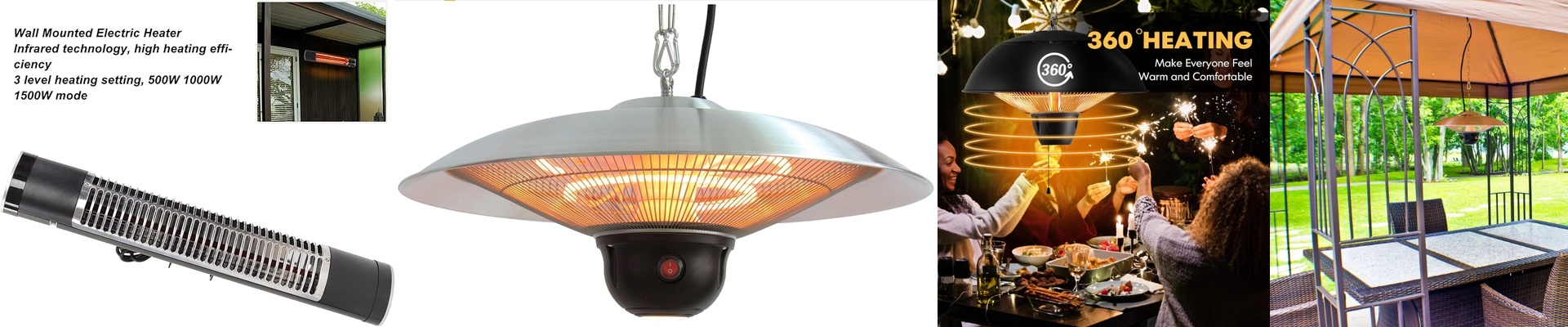

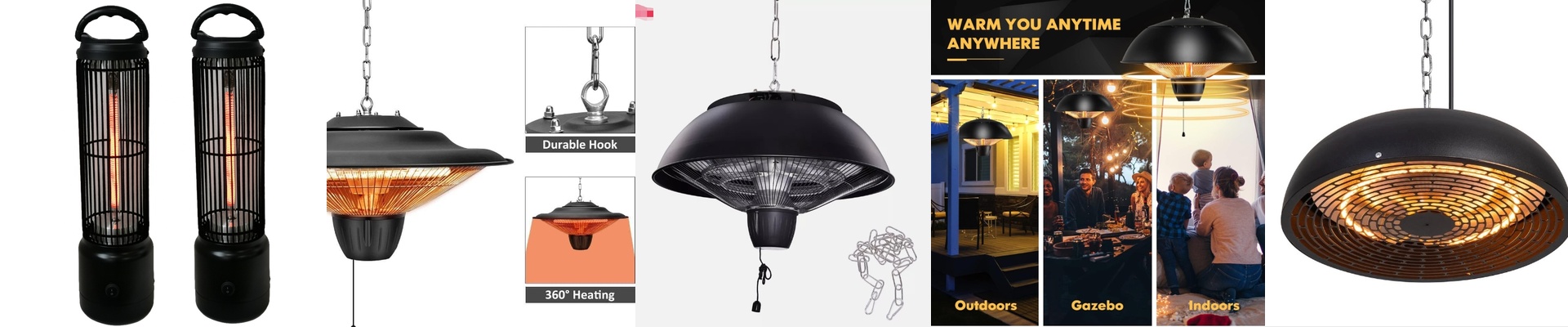

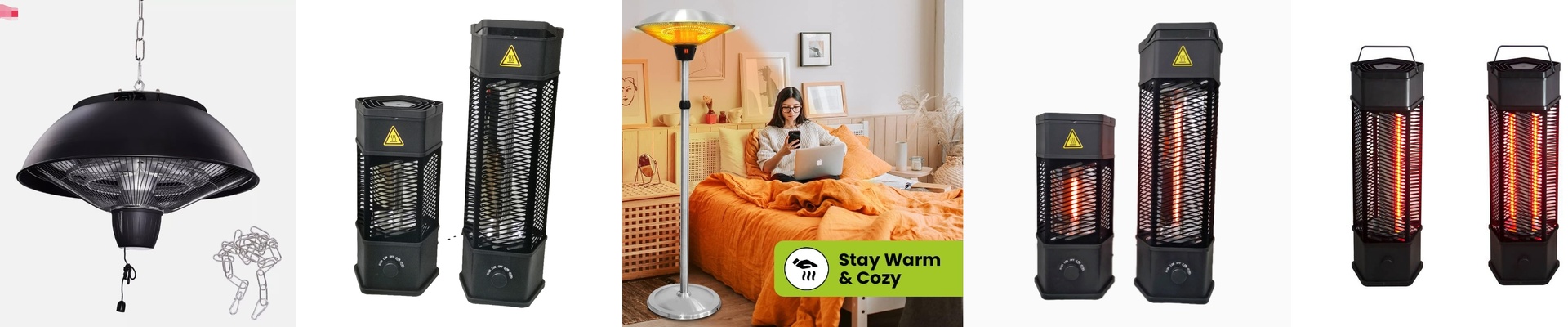
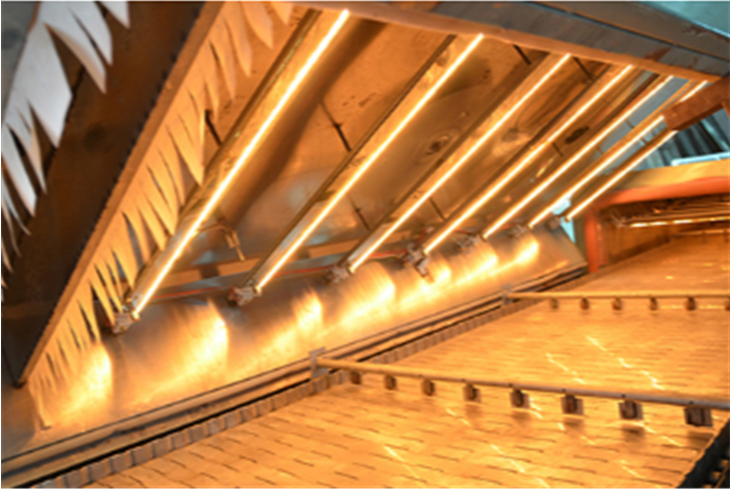
When the rush hits, your rotary oven has to keep up—tray after tray, hour after hour. If the heating element can’t keep pace or throws uneven heat, your crust goes sideways, turnaround drags, and the line backs up. That’s why we built the rotary oven ceramic thermal element to run long, run steady, and stay predictable. What matters, technically At the core is a ceramic heating element chosen for fast recovery and even heat spread across the baking chamber. It ramps up quickly so you hit setpoint fast after loading, then holds temperature with minimal swing during long bakes. The ceramic body stands up to thermal stress and the repeated cycling of a busy service. Expect stable performance through thousands of cycles, with consistent output that keeps recipes repeatable. Why this works in a rotary oven In a rotary oven, the product moves through the heat, so uniform temperature is the difference between a crust that caramelizes evenly and one that bakes patchy. This element keeps the hot zones hot and the cool zones where they should be, so every tray comes out the same. You get faster heat recovery between loads, fewer underbaked or overbaked items, and a workflow that keeps pace with peak service. Energy stays disciplined because the element holds temperature without overshooting. The practical details Installation needs proper clearance and secure mounting so the element sits exactly where the oven was designed to focus heat. Match voltage and connector specs to your oven’s terminals, and confirm compatibility with your specific rotary oven model before ordering. In very high-humidity kitchens, protect the connections from steam ingress—keeps resistance stable and extends service life. Plan replacement during scheduled downtime, swap it out, calibrate, and get back to production with minimal disruption.