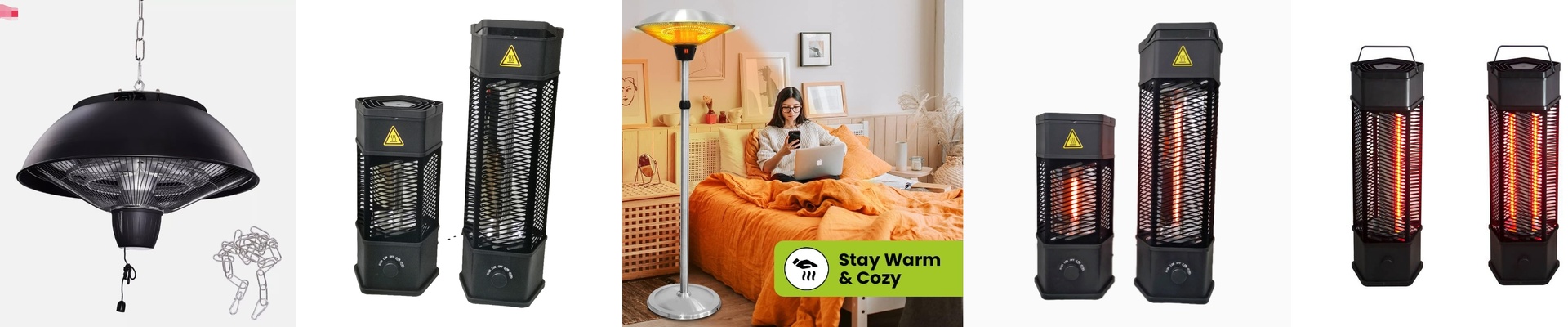
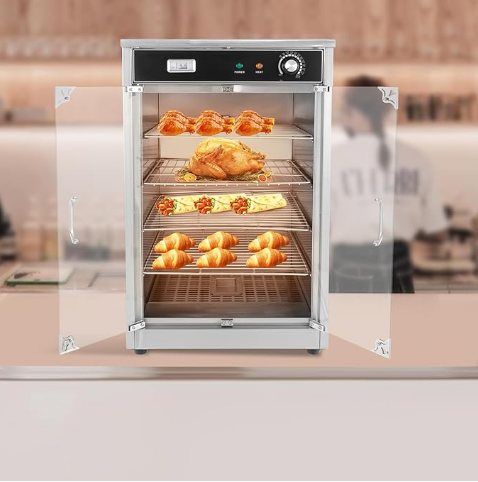
When your deck oven is slammed and your bread schedule is tight, waiting for the baking chamber to come back up to temp costs you money—and it costs you quality. Underpowered elements drag out bake times, push crusts past caramelization, and leave you fighting hot and cold patches across the stone hearth. We built our bread oven infrared bulbs to fix that, by getting heat where it needs to be, exactly when you need it.
What actually matters under the hood
These infrared baking bulbs run in a quartz envelope with near-infrared (NIR) output tuned for fast, directional heating. They ramp hard, so the baking chamber hits target temperature quickly and holds it with tighter stability. The specs are grounded in real commercial kitchens: standard voltage options, bases and connectors built to take repeated use, and a compact footprint that drops into common oven reflector assemblies. The wavelength profile is chosen to penetrate the surface and develop the crust evenly, without cooking the oven walls.
Why this works in real bakery and pizza service
On the bread side, infrared heat improves oven spring and sets the crust early—cleaner scoring, more predictable expansion. In pizza service, it recovers fast between orders, so the stone stays hot and you cook the center without scorching the edges. For warming and finishing, the bulb gives you gentle, controllable heat that holds food at temperature without drying it out. Shorter bake windows. More consistent output. And you pull less energy per bake cycle because the oven isn’t idling at full power as long.
The practical stuff—what to watch for
Infrared bulbs perform best when they’re matched to the oven’s reflector geometry and thermostat response. Keep the socket and reflector clean—grease and flour buildup scatter the heat and create hot spots. Match the bulb wattage to the oven’s total load; overpower a small chamber and you’ll scorch the surface before the center is done. Expect shorter element life if the bulb sees repeated moisture or rapid on/off cycling. Install with proper shielding, and follow the oven’s spacing guidance so the heat lands evenly.