Stop Scrubbing Your Bathroom: How Infrared Actually Fights Mold
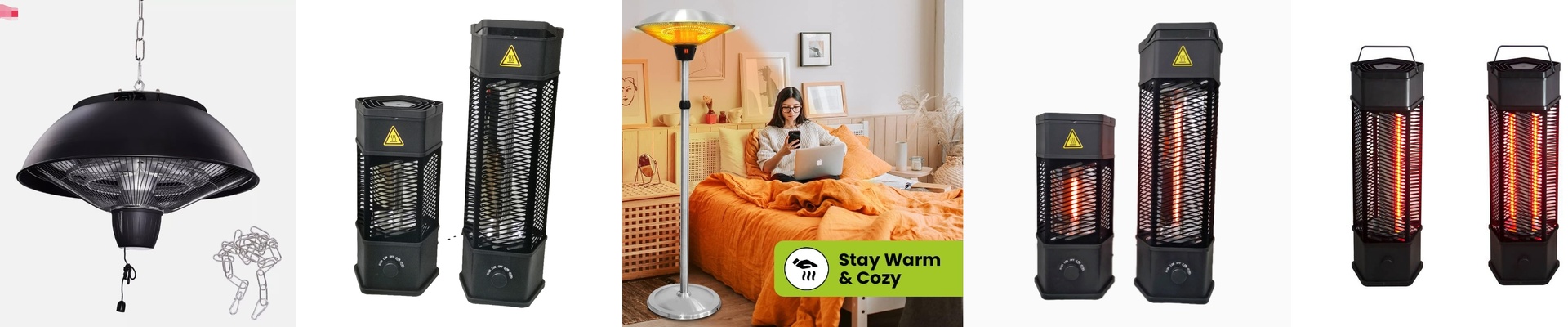
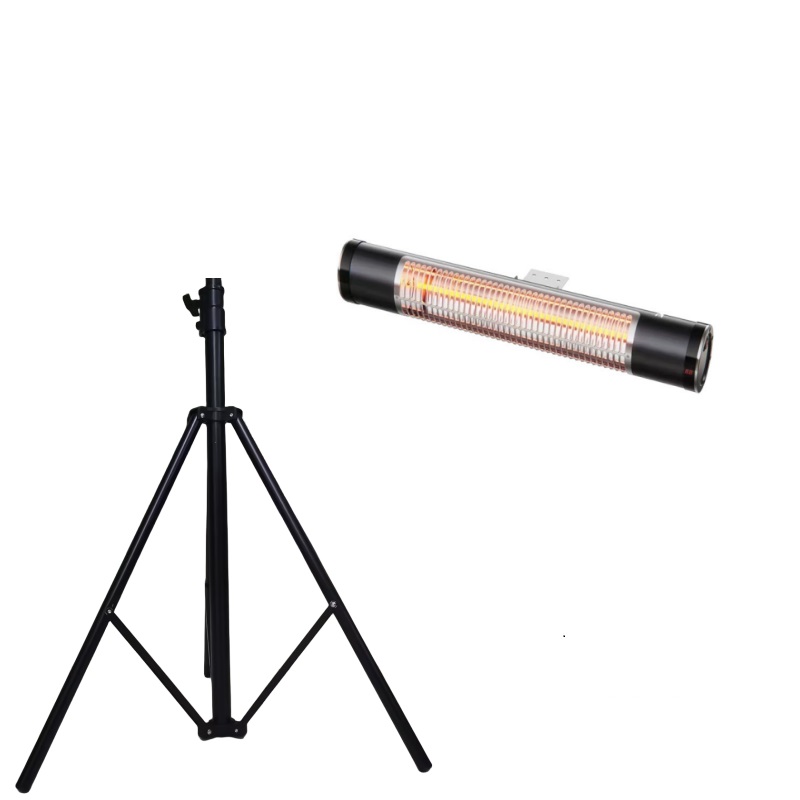
Most people think a bathroom heat lamp is just there so you don’t freeze the second you step out of the shower. I get it. But we actually built these things to do a lot more than just keep you warm. We’re using the infrared spectrum to tackle a much nastier problem: that stubborn mold and mildew that loves to move into your shower tiles.
How it actually works
Here’s the thing about standard heaters—they just warm up the air. That’s fine for your skin, but it doesn’t do much for your walls. Our lamps use short and medium-wave infrared. Instead of heating the air, this energy goes straight into the wet tiles and walls. It basically shakes up the water molecules, forcing them to evaporate way faster than they normally would. When you dry those surfaces quickly, you’re essentially starving the mold spores. They can’t grow without a steady supply of moisture. Plus, it stops that annoying “cold wall” effect where steam turns back into water droplets—which is exactly where the mold usually starts to take root.
A couple of things to keep in mind
To make this work, placement is everything. If the lamp is too far away from the wall or shower, the energy just dissipates. You lose that drying power. You want a tight setup to make sure the heat is actually hitting the damp spots. And a heads-up on the electrical side: these high-wattage lamps pull a decent amount of power. If you’re putting a few of these into a big residential bath or a commercial spa, just double-check that your breakers can handle the peak load. You don’t want the lights going out mid-shower.
The bottom line
Think of these lamps as a backup for your exhaust fan. Fans are great, but they can be slow. With infrared, you get a dry room much faster. Your grout stays clean, the air feels crisp, and you spend way less time scrubbing corners with a toothbrush. It’s a simple way to fix a biological headache.