Introduction
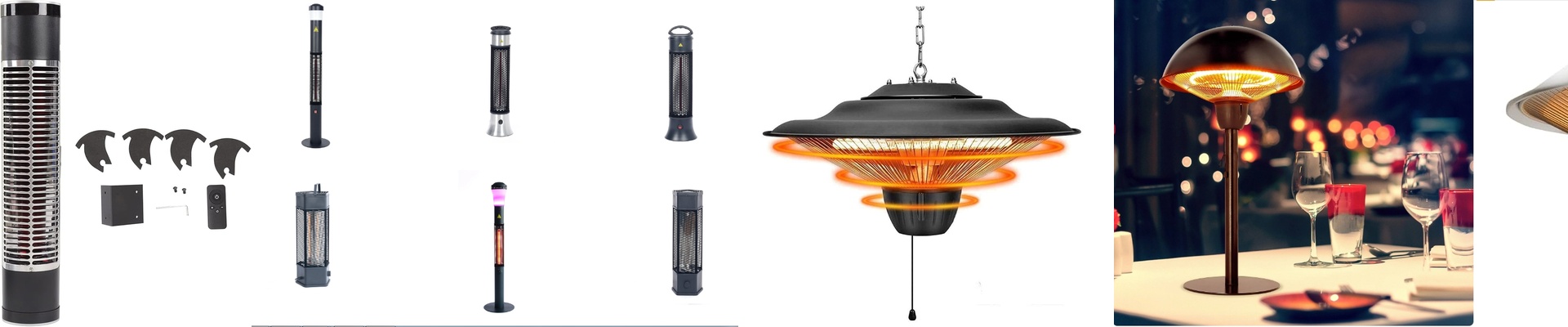
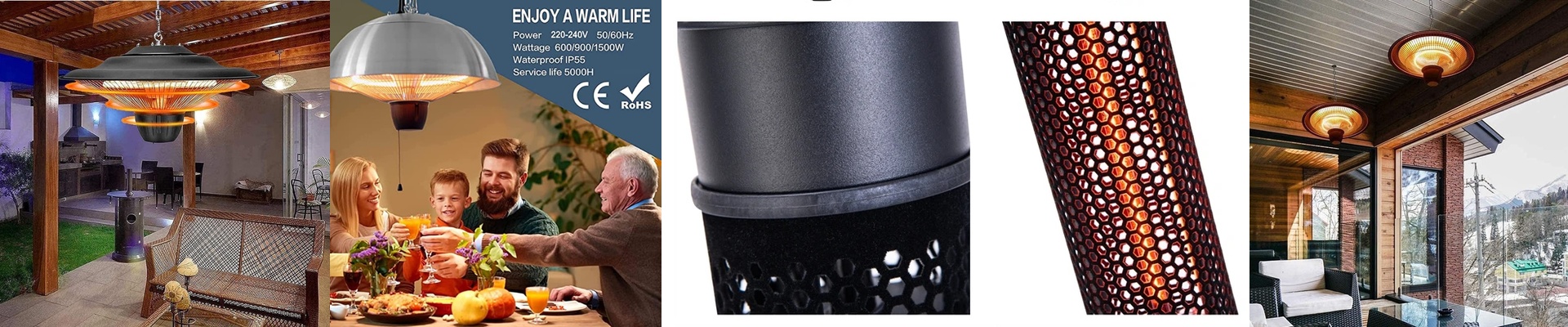
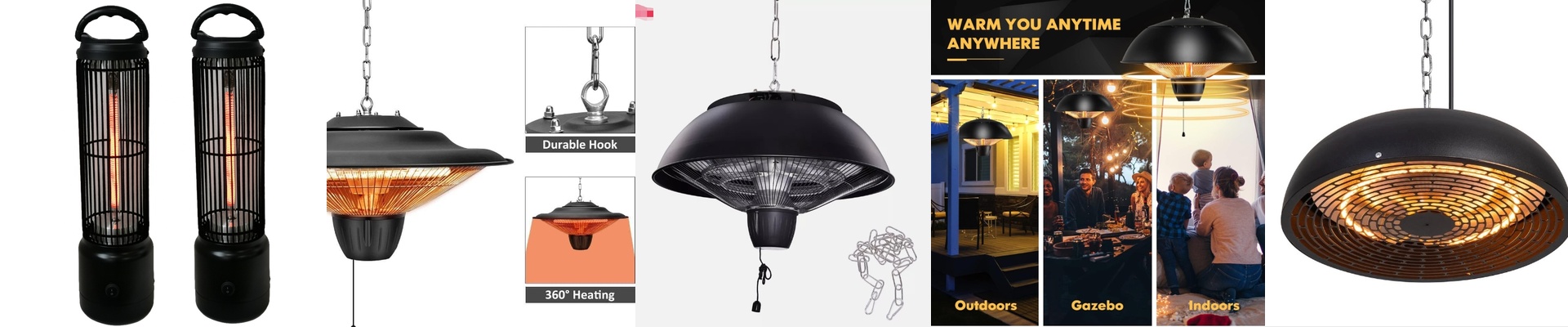
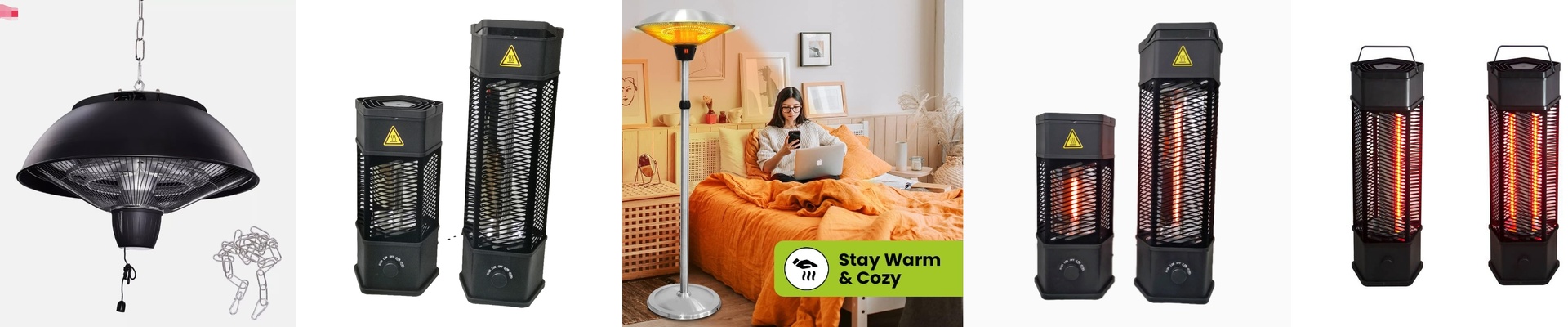
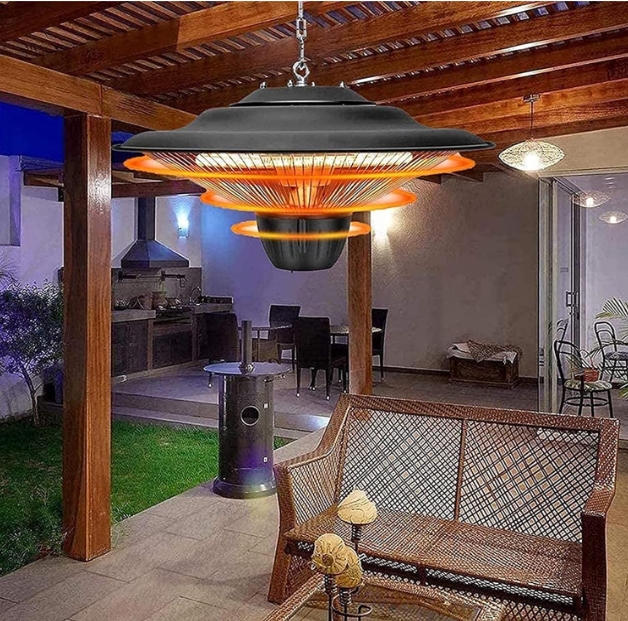
We built our electric patio heaters for one simple reason: to give you heat you can actually count on, even when it’s wet. The whole system comes down to a waterproof infrared halogen lamp. It throws targeted warmth exactly where you need it—outside on the patio, or in a bathroom that steams up—because those spots demand a heater that can take a beating and still deliver.
Power and Output: It Really Is About the Numbers
Choosing the right infrared lamp comes down to sizing things right for the space. For a small bathroom, a 200W or 300W unit does the trick—just enough spot heat. For bigger areas, we step up to 500W or 800W so the warmth covers the whole footprint. We match the voltage to what your place already runs—usually 220V or 240V—so you don’t need extra transformers and the wiring stays straightforward. And the length of the quartz tube? That directly shapes how wide the heat spreads. A 300mm tube keeps the warmth focused. A 600mm tube opens it up and spreads the heat across a wider area.
The Build: Waterproof, Because It Has to Be
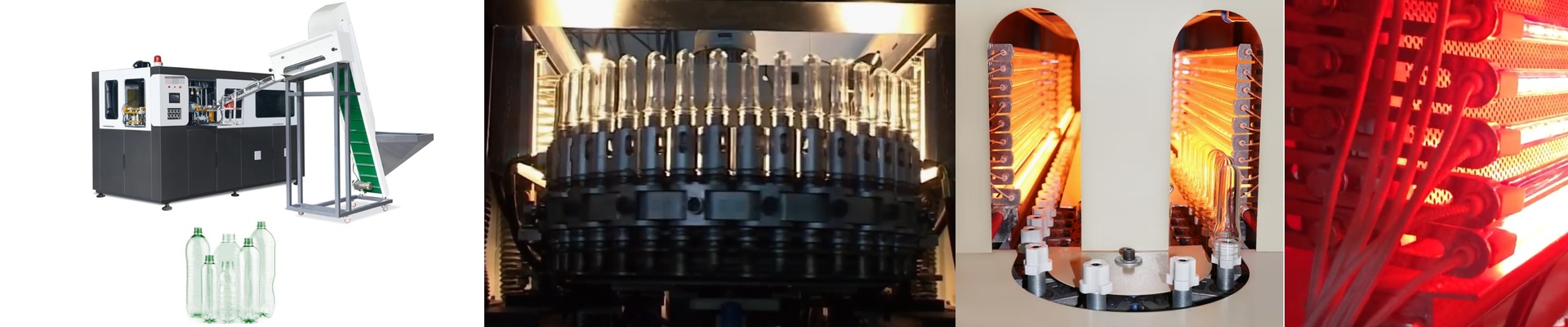
The waterproof rating starts with the sealed quartz tube and the double-ended connector. Inside, the halogen element hits temperatures up to 3000°C, pushing out shortwave infrared that warms objects directly—not the air around them. That’s why the tube has to be high-purity quartz. It handles sudden temperature shifts and keeps moisture out. On our linear models, we use R7s connectors. They lock the tube in place and keep a solid, high-temp electrical connection—so the IP rating stays intact. And the internal halogen gas cycle protects the filament, which helps the whole thing last longer.
What It Feels Like in Real Life
Out in the real world, this setup is a straight-in solution for engineers. The heat is dense, so you can mount it compactly and save space. And the waterproof build just shrugs off rain, splashes, and heavy humidity—no shorting out. Now, there is one thing to keep in mind: heat management. An 800W tube throws off serious heat. That means your mounting bracket and anything nearby have to be rated for high temperatures. Clearance matters. Do it right, and you get a heater that fires up fast, holds steady, and keeps performing even when the weather turns wet.