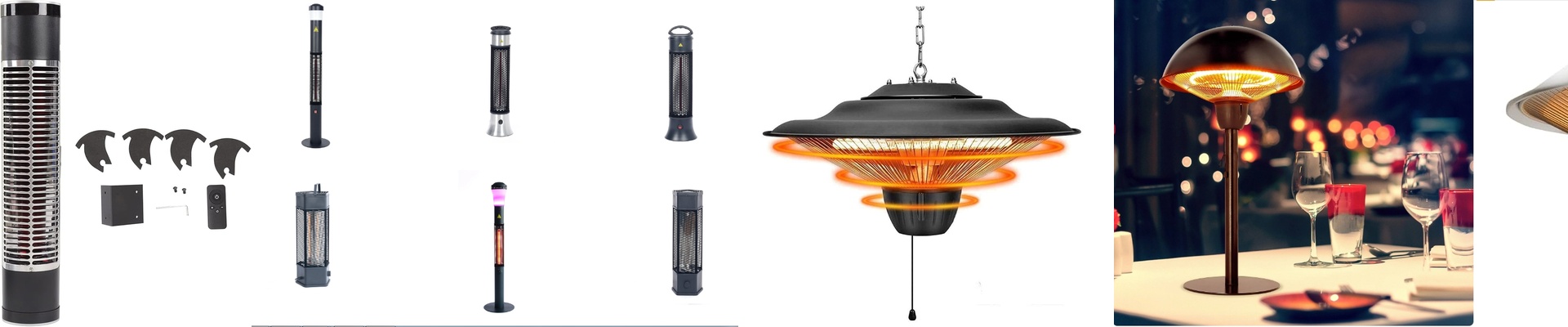
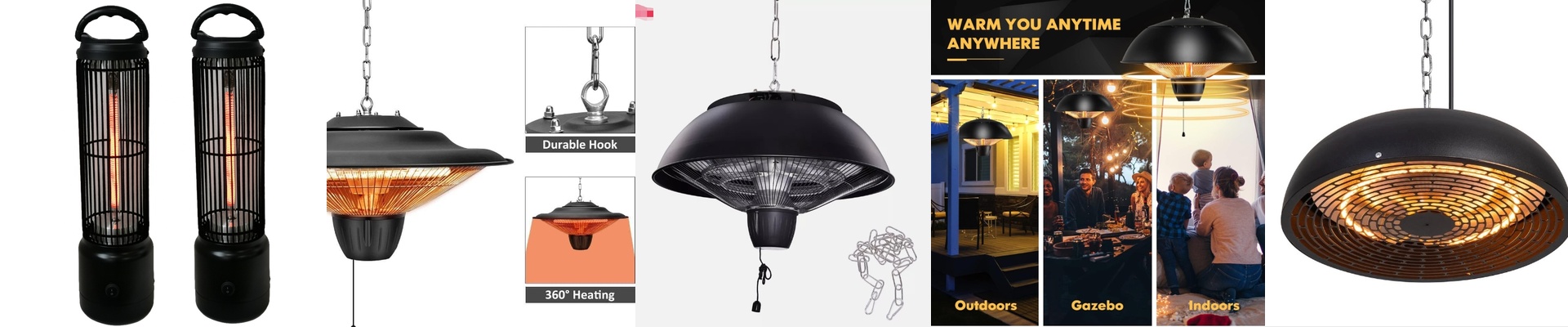

A big warehouse holds onto the cold long after the sun drops. Heat rises and drifts away, so the people on the floor take the brunt of it—hands stiffening, reactions slowing, while heaters churn all night without fixing the chill where work actually happens.
What matters under the hood
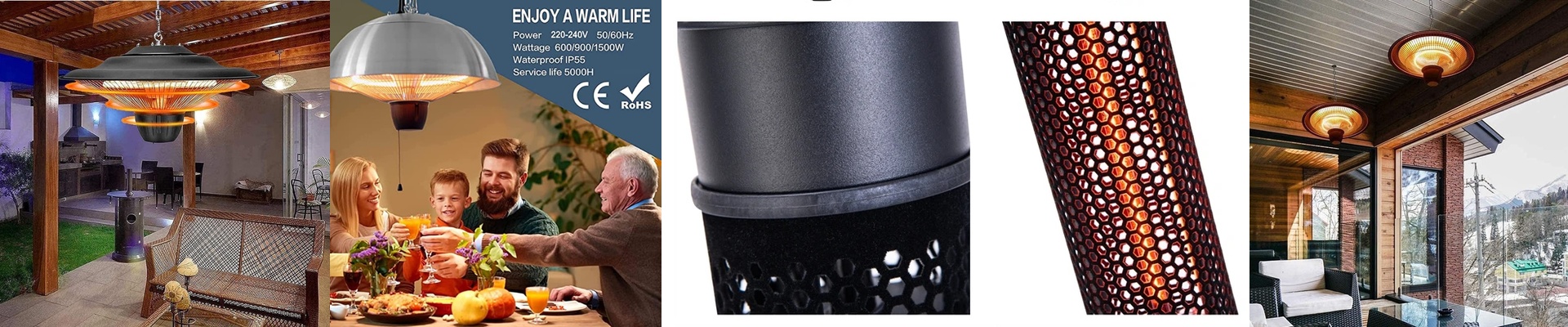
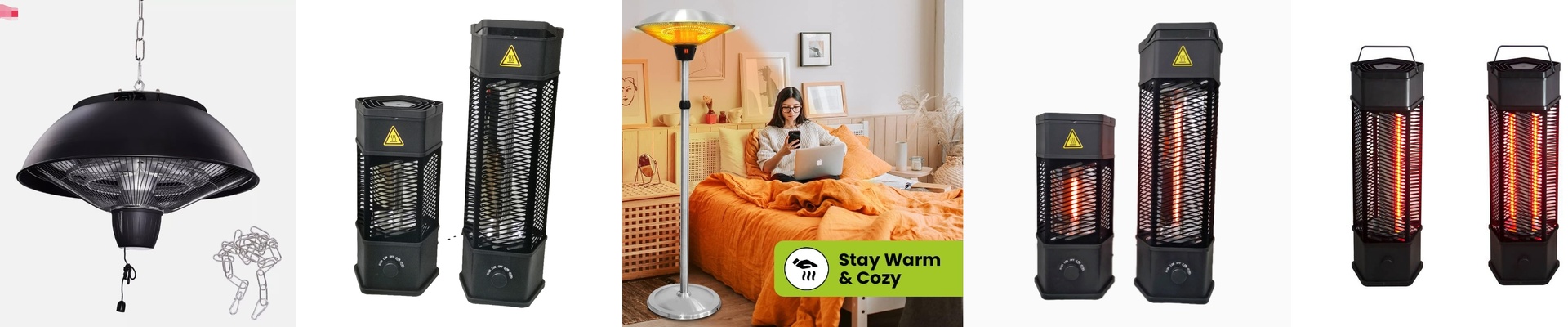
We built this electric outdoor heater for the kind of spaces that see real work, day in and day out. The heart of it is a short-wave infrared system that delivers warmth straight to people and objects, not to the empty air. A carbon fiber element comes up to temperature within seconds, so the radiant heat hits fast and feels immediate. The unit is IP-rated waterproof, so it can take moisture, dust, and the occasional bump and knock without folding. It runs on standard power, with a tough housing, a built-in thermostat for steady comfort, and safety protections like tip-over cutoff.
Why this approach works in a warehouse
In a warehouse, you need heat that moves with the workflow. With directional infrared warmth, you’re putting the heat where people stand—loading docks, packing stations, inspection points. You stop wasting energy on unused corners, which evens out the feel of the space and trims the bill. Comfort stays consistent, so focus and pace don’t sag, and equipment isn’t battling condensation. Because the heat is targeted, you can run shorter cycles and still keep the team warm, which translates into lower operating costs.
The practical details that make it work
Targeted heating only does its job when the heater is placed to match how people and goods move. For full coverage, plan even spacing and keep lines of sight clear. These units are built for outdoor use and rough indoor spots, but they perform best in sheltered areas—away from direct, driving rain. Set the thermostat to match the task, and you’ll keep comfort high without overshooting the temperature.