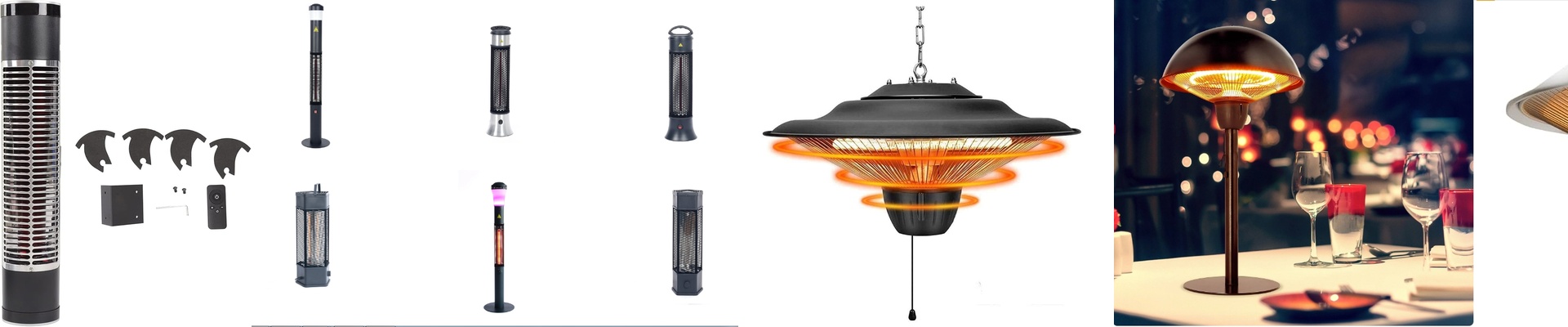
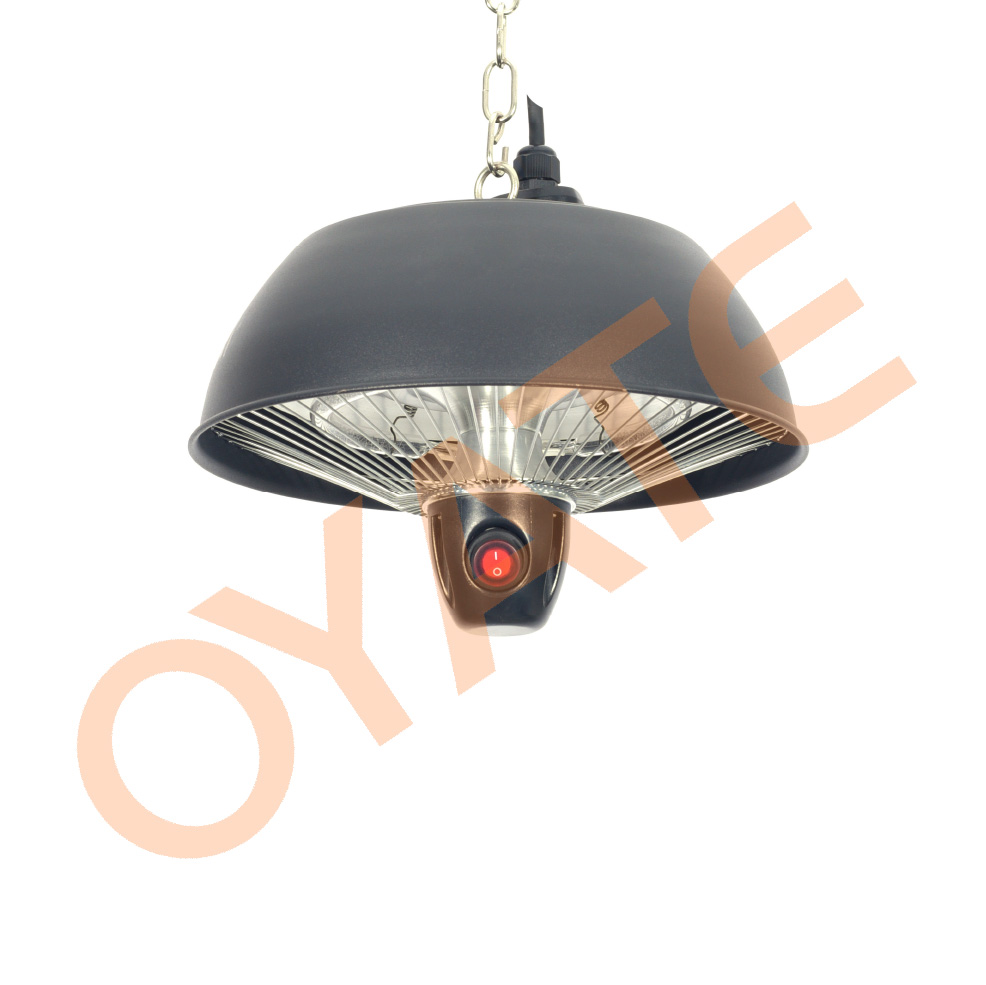
Let’s Talk About Bathroom Infrared Heaters (And Why the Light Matters)
When we’re building infrared lamps for the bathroom, the biggest headache isn’t actually the heat. It’s the light. Standard short-wave lamps are bright. Like, really bright. That kind of intensity can be hard on the eyes, and it’s especially risky for babies whose eyes aren’t fully developed yet. Nobody wants a heater that feels like a surgical lamp in their bathroom. So, we stop obsessing over raw wattage and start looking at spectral filtering.
Keeping Eyes Safe
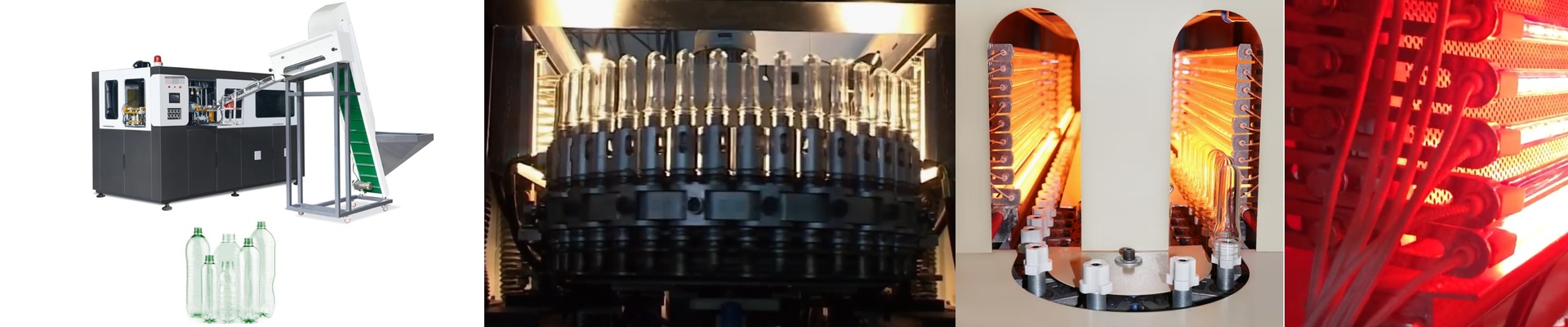
We use specific quartz envelopes and internal coatings to block out that harsh blue light and glare. By shifting the energy toward the long-wave range, the heat goes straight into your skin instead of hitting your retina. It creates this soft, gentle glow. It’s not just to make the room look nice—it’s about keeping the warmth while cutting out the blinding light.
The Nitty-Gritty Hardware
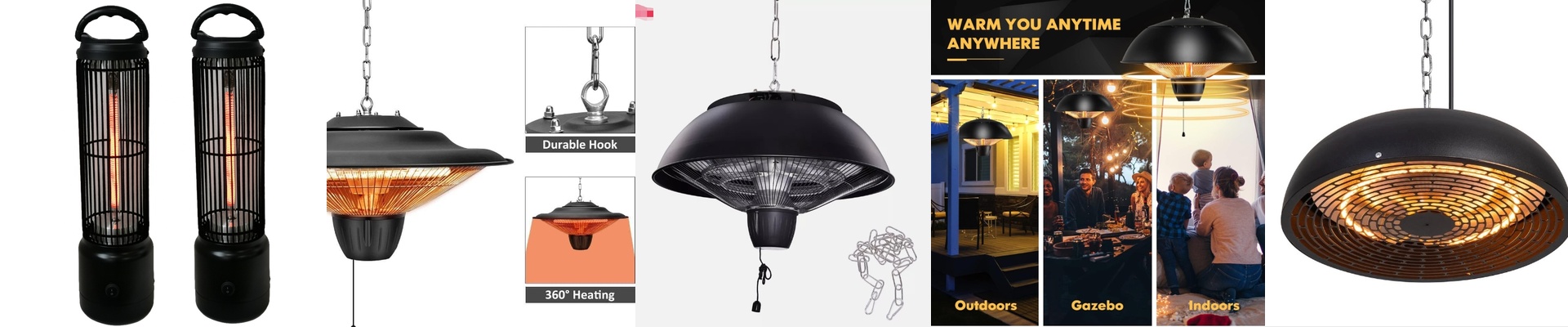
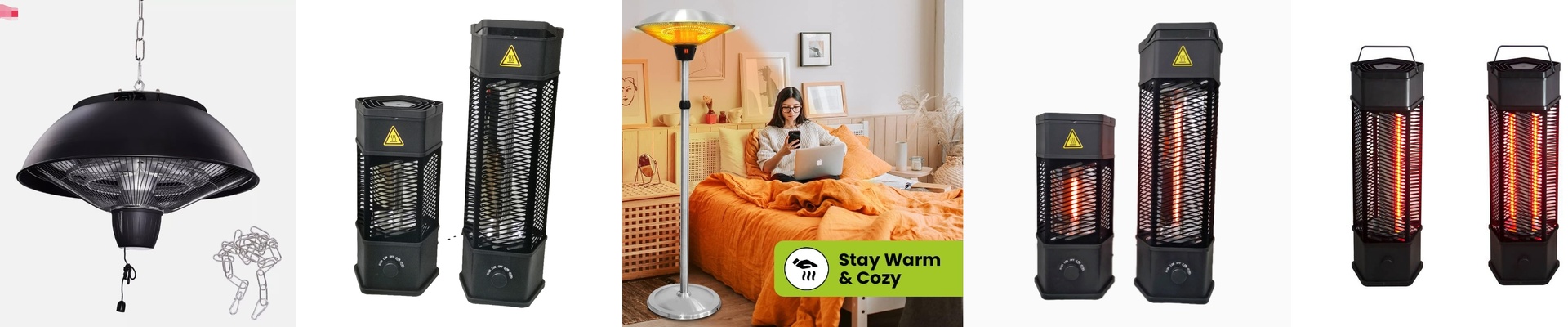
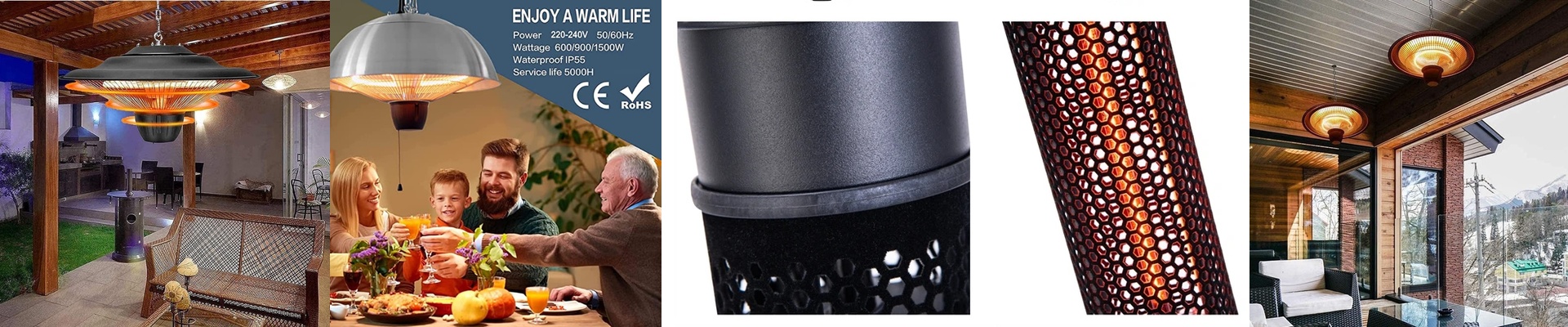
Most of these run on your standard 220V-240V AC. We use high-purity quartz glass because cheap glass clouds up over time, and that’s just annoying. If you’re tucking these into a mirrored cabinet or mounting them in the ceiling, keep an eye on the “heat soak.” You have to get the reflector shape exactly right. If the heat doesn’t throw downward properly, you’ll get hot spots on the mirror. And trust me, a cracked mirror is a nightmare you don’t want.
The Trade-offs
Here’s the thing: you get a safer, softer light, but you lose a bit of that instant “punch” you get from industrial lamps. It might take a few extra minutes to get the room to that perfect, cozy temperature. Just be patient with it. One last tip:**vent your housing.**If you trap the heat around the socket, you’re going to fry the contacts. Also, stick to high-temp wiring. Melted insulation is a great way to ruin your day.