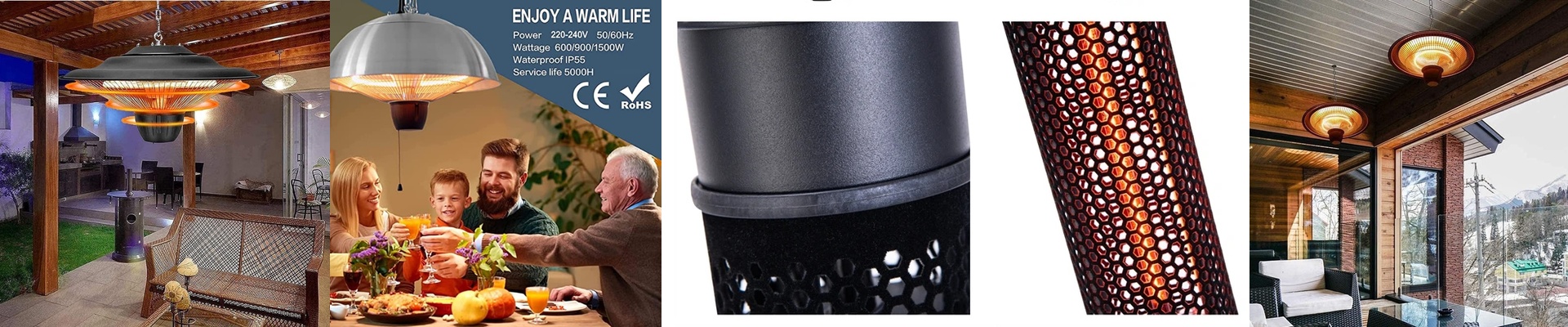
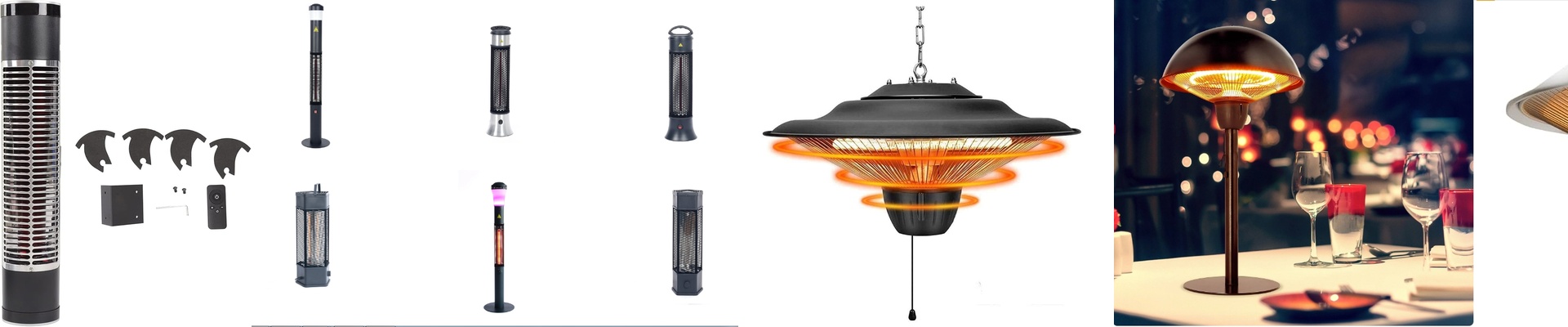
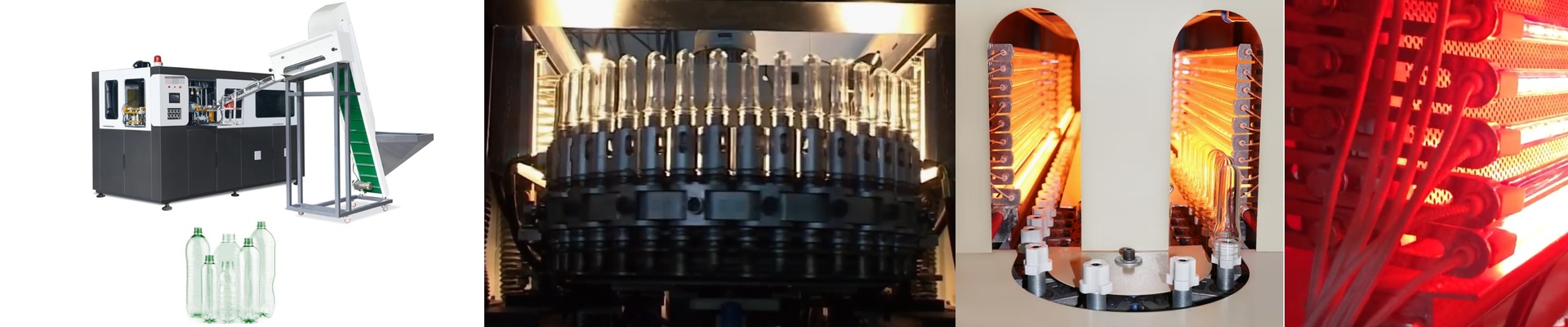
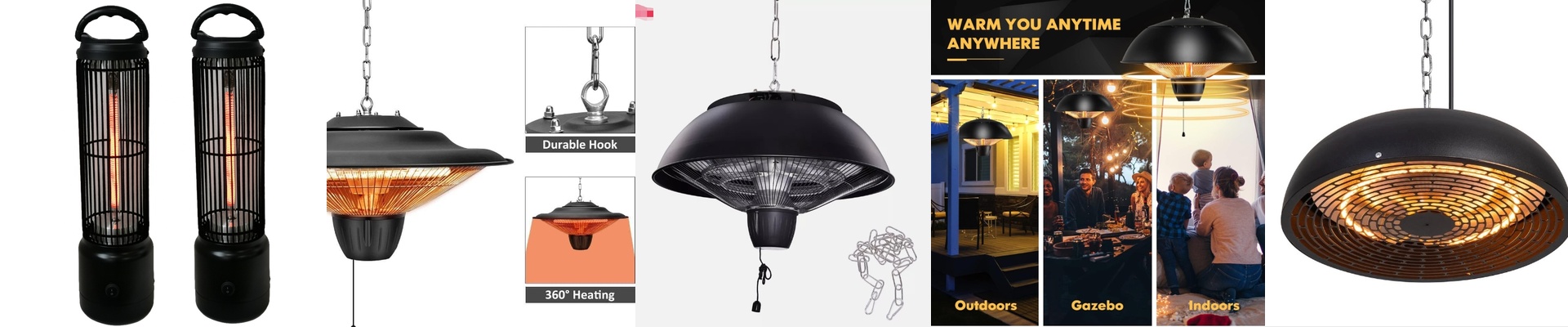
In a busy commercial kitchen, a smooth service and a total bottleneck are often separated by minutes. Minutes lost waiting for a chafing dish to come up to temp. Minutes spent correcting cold spots that send food back to the pass. When your oven is tied to a chafing lineup, slow warm-up and uneven heat translate straight into delayed tickets and inconsistent holding. What matters under the hood We built the single-tube thermal element for chafing dish duty around one goal: fast, repeatable heat. The single-tube heater layout concentrates energy into a compact zone, cutting preheat time and stabilizing temperature quicker than many multi-coil setups in holding applications. It’s built for commercial work: 220V/240V is typical, terminal connections are solid, and the quartz/metal-halide style tube holds up to repeated thermal cycling. The payoff is predictable output—you set the holding profile, and the element holds it without chasing spikes and dips. Why it fits the way you work This element shines when kitchens run chafing pans through oven-based holding—on a deck oven warming stone, in a convection oven set to hold, or in a dedicated warming cabinet. Faster warm-up closes the gap between prep and service. Even heat across the dish means fewer pan rotations and less re-tempering. The result is fewer last-minute adjustments, fewer under-warmed items, and a steadier pace on the line. Energy use drops, too, because the element hits target quickly and settles into a stable holding cycle instead of constantly overshooting and recovering. Here’s what to keep in mind Installation is straightforward, but the chafing dish and oven have to be matched. Clearance around the tube matters—keep it clear of pans, racks, and drips to avoid hot spots and premature wear. The element performs best when the oven’s thermostat and airflow are stable; if the oven hunts for temperature, the element will follow suit. Plan your wiring and mounting so connections stay tight, and confirm the chafing dish footprint fits your oven cavity before ordering.