


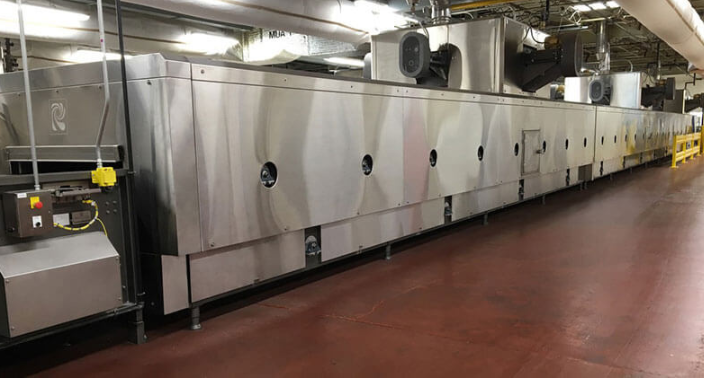
In a busy bakery, the oven is the heartbeat. When the heating element starts to drift, you see it right away—uneven crust color, a collapsed rise, dough that just gets tossed. We built our temperature-control heating elements to cut through that guesswork and deliver heat you can set and forget, without beating up the dough. What matters under the hood These bakery oven heating elements are designed for stability, fast response, and even heat across the baking chamber. In a typical deck oven, the element holds setpoint within ±3°C, and deck surface temperature from front to back stays within ±5°C. That kind of control is what gives you consistent caramelization, uniform spring, and bake times you can plan around. It comes up to temp quickly, so recovery between loads is short—no waiting around. The resistance and spacing are matched to the oven’s thermal mass, so the thermostat gets a clean signal and the heat field stays balanced instead of spiking at hot spots. Why it works on the line Bakers run on schedules, not room for error. With this element, you get steady stone-hearth performance without chasing temperature swings. Batch after batch, the crust sets clean, the crumb structure holds, and the color is even from edge to center. The faster recovery keeps service moving during the rush, and the improved thermal efficiency trims energy use per bake cycle. Fewer under- or over-bakes means less waste and a more consistent sell-through. A few practical notes Installation is straightforward, but the element has to match the oven’s voltage, amperage, and mounting clearances. In humid environments, protect the terminal block and make sure airflow around the element is good—otherwise you risk premature thermal stress. Pair it with a calibrated thermostat and keep the baking chamber clean, and you’ll get the most stable temperature control.