Fixing Those Annoying Heat Spots in KHS Blow Molding Lines
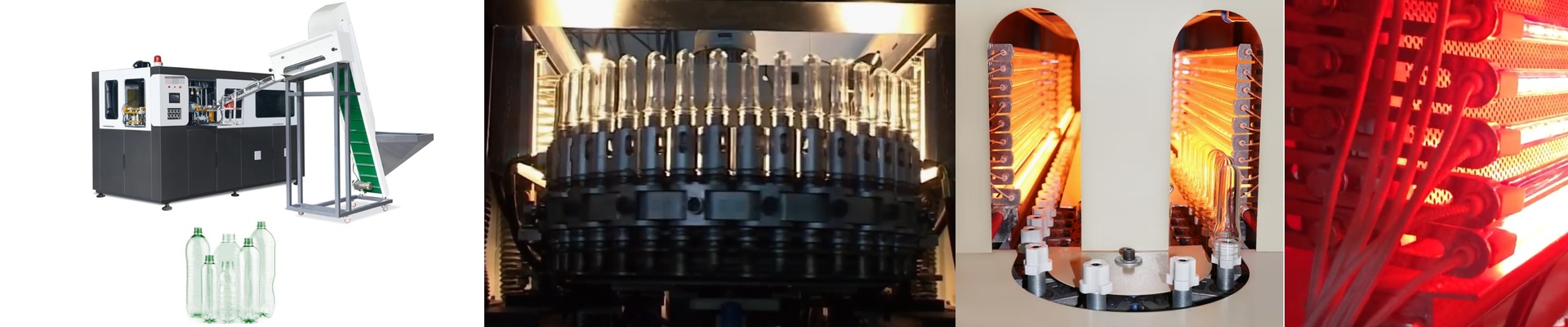
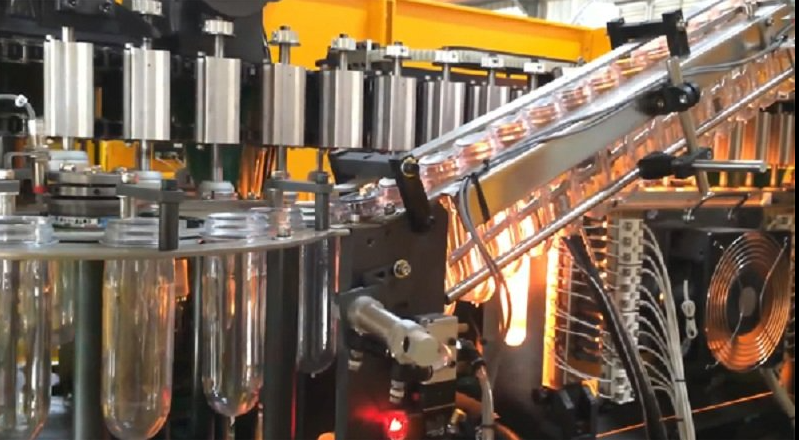
Ever notice your bottles coming out with weird wall thickness or just looking… off? It’s a headache. Usually, it happens because the heat isn’t hitting the preform evenly. Maybe the old lamps are just tired, or the heat pattern doesn’t quite fit the shape of your bottle. Here’s the thing: you can’t just swap in any random bulb and hope for the best. You need the infrared (IR) heat to actually match what your machine is asking for. Getting the heat right We build our quartz lamps to slide right into KHS systems without a fuss. But the real magic is in the details. If the filament is off-center by even a tiny bit, you get “cold spots.” That’s a recipe for disaster. We also use high-purity fused quartz. Why? Because it lets the IR energy pass right through instead of getting trapped in the glass. More heat goes into the plastic, and less is wasted. The nitty-gritty on hardware We keep things simple. Most of our tubes use standard R7s or Sk15 connectors, so you can plug them in and get back to work without messing around with the sockets. Depending on what you need, we’ve got everything from the standard 230V to some heavy-hitting 400V options. Now, high-wattage tubes are great for faster cycle times. You get more heat, faster. But be careful. That extra power puts a lot of stress on your reflectors and cooling fans. If your cooling isn’t up to the task, you might actually warp your lamp holders. It’s a trade-off. Real-world results on the floor These lamps are tough. They’re designed to survive the heat and the grind of a busy shop floor. We’ve tightened the tolerances on the length and diameter so the tubes sit perfectly flush in the oven. No gaps. No leaking heat. Everything is pushed exactly where it needs to be: toward the preform. The best part? You stop spending your whole shift tweaking settings manually. Everything just stays consistent.