Why Fast Heat-Up Isn’t Optional—It’s the Whole Game
Here’s the thing about industrial heating: the difference between nailing the temperature and blowing past it is all about thermal inertia. Standard heaters feel like slow freight trains. They get moving, and good luck stopping them on a dime. Our clear quartz infrared heaters? They’re built for the opposite. Instant on. Instant off. That responsiveness isn’t luck—it’s engineered right into the design. The output is focused, so you can hit your setpoint and actually stay there. When a few degrees off can wreck a whole batch, that kind of control isn’t a perk. It’s the bare minimum.
The Specs, Without the Fluff
We built these heaters to deliver heat that’s predictable and repeatable. The 400V high-voltage setup packs serious power into a small footprint. That means you get a compact heater that still hits hard enough for fast-moving lines. And those dimensions—300mm long, 10mm in diameter—aren’t random. They’re a direct fit for equipment that needs a tight heat zone without wasted space. The result is a concentrated heat pattern that makes integration simpler and keeps stray heat away from nearby parts. But let’s be honest—there’s a trade-off. A 400V, 2500W tube throws off serious heat density. Your machine’s cooling and electrical setup need to be ready for that.
What Makes It So Quick?
The secret is the clear quartz envelope. It’s what gives you that low thermal inertia. Quartz heats and cools fast, so the heater turns your control signal into temperature change almost instantly. Inside, the halogen filament keeps output steady, cycle after cycle. Then there’s the R7s connector. Practical choice. It handles the current cleanly and makes the heater a simple drop-in replacement. Wire it up, line it up—done. The mechanical and electrical fit stays consistent, even after maintenance.
Where This Shines—And What You Actually Gain
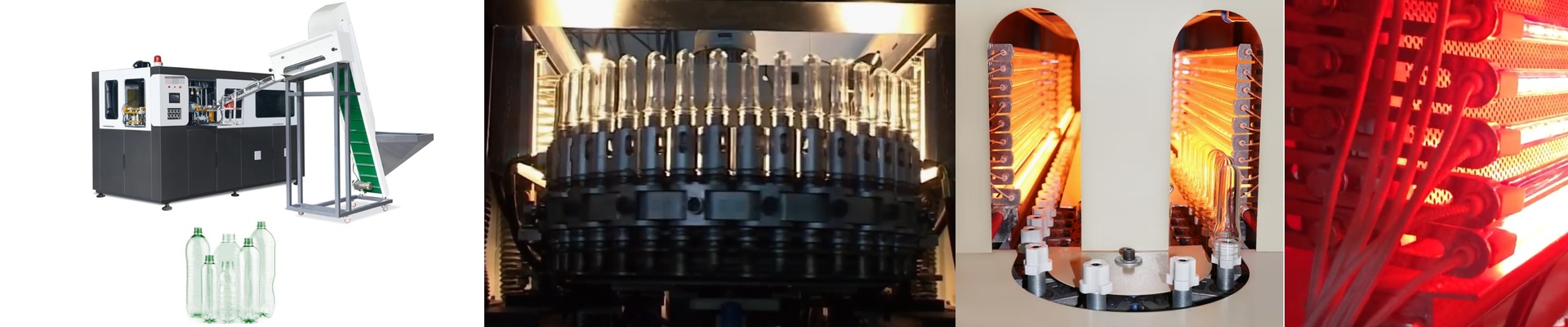
These heaters are for processes that demand precise temperature control and fast reaction. Think PET blowing, plastic pre-heating, curing, coating lines—anything where the product moves quickly and the heat window is tight. And the payoff? It’s real. Less scrap. Stable output. Fewer stops. That low thermal inertia gives you tighter control, which means more consistent product quality. If your process can’t handle lag, this is the spec you need.