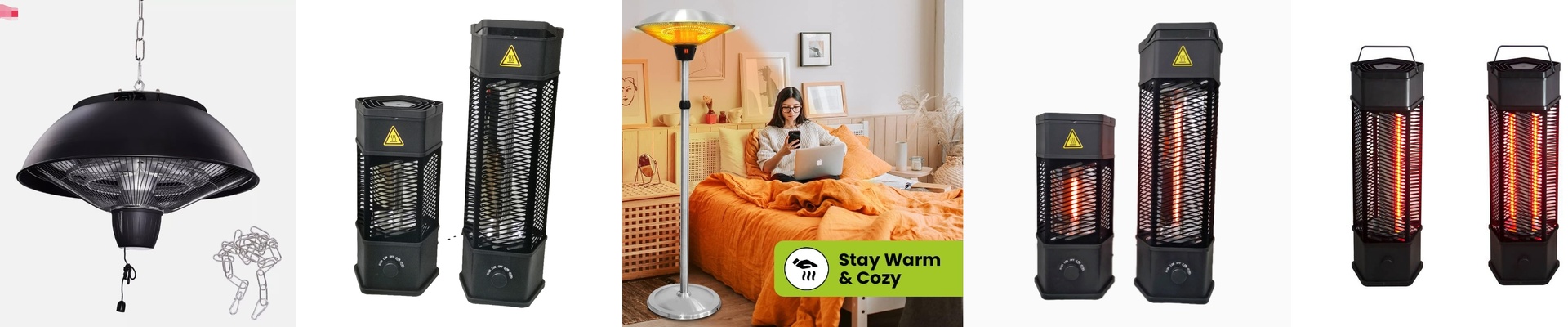
Why the Pros Use Infrared Heating in Their Ovens
Ever wonder why some bakery loaves have that perfect, shattering crust and a wild “oven spring” while others just feel… flat? It usually comes down to how the heat gets to the dough. Most ovens just heat up the air, but air is actually pretty bad at moving heat around. That’s where infrared (IR) lamps come in. Instead of waiting for the air to warm up, IR sends energy straight into the surface of the bread. It’s like the difference between standing in a warm room and feeling the sun hit your skin on a cold day. You get that instant sear and a gorgeous crust without drying out the inside of your bread.
Getting the Power Right
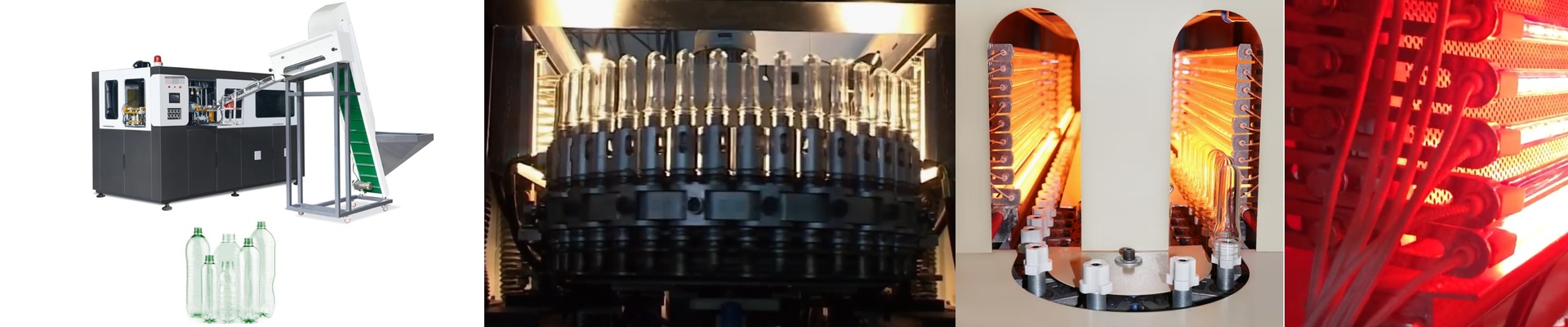
When we’re picking out these lamps, it’s all about heat density. A high-wattage quartz tube gives you a massive hit of thermal energy the second you flip the switch. Now, if you’re running a 230V or 400V system, you’re basically playing a balancing act. You want enough power to get the job done, but you don’t want to fry your wiring. If you cram a lamp with too much wattage into a small oven, you’re asking for your contactors to burn out. It’s all about finding that sweet spot.
What’s Actually Inside the Lamp?
Most of these lamps use high-purity quartz. Why? Because quartz doesn’t freak out when it goes from cold to scorching hot in a split second. Inside, we usually use halogen gas. It sounds fancy, but it’s actually just a clever trick to make the tungsten filament last longer. The gas pushes evaporated tungsten back onto the wire so it doesn’t get thin and snap. As for the fit, we stick with R7s or SK15 bases. They’re the industry standard for a reason: they’re easy. You just slide the lamp in, lock it, and you’re back in business. No soldering, no headache. Just a quick swap.
The Trade-offs (Because Nothing is Perfect)
Here’s the catch. IR lamps are powerful, but they’re fragile. One wrong move with a heavy baking tray and crack—your quartz tube is gone. You’ve got to shield them. And because the heat is so concentrated, you have to be careful with your timing. A few seconds too long and you’ve got a charred top with a raw center. It’s a tight window. You’ll need a control system with some decent PID tuning to handle those heat spikes, or you’ll be tossing a lot of ruined loaves in the bin.