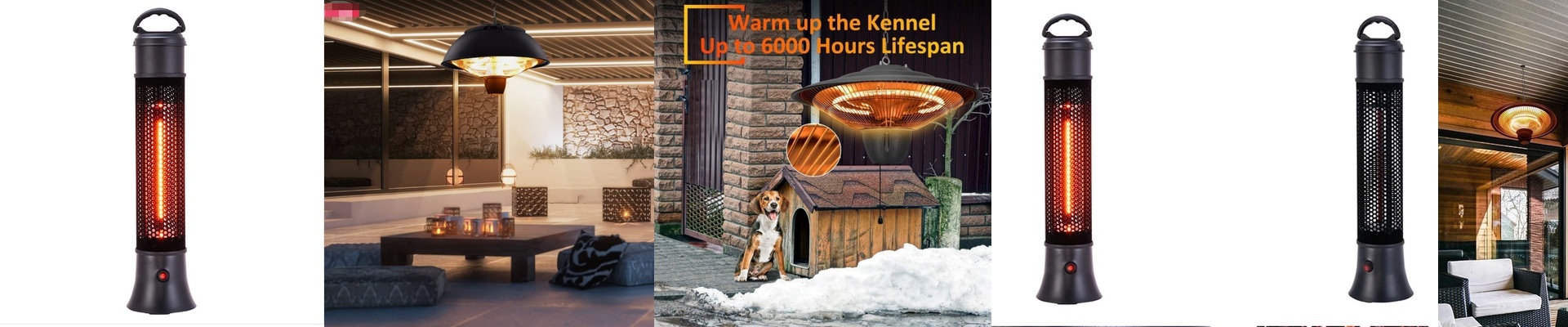
On a busy bake-off line, the gap between proofing and service is where heat control decides your bread. When the deck oven or rotary oven is already loaded, reheating pre-baked loaves on a separate unit has to be fast, gentle, and repeatable. If the heat can’t keep up, the pass drags, crusts dry out, and labor slips away.
What matters, technically
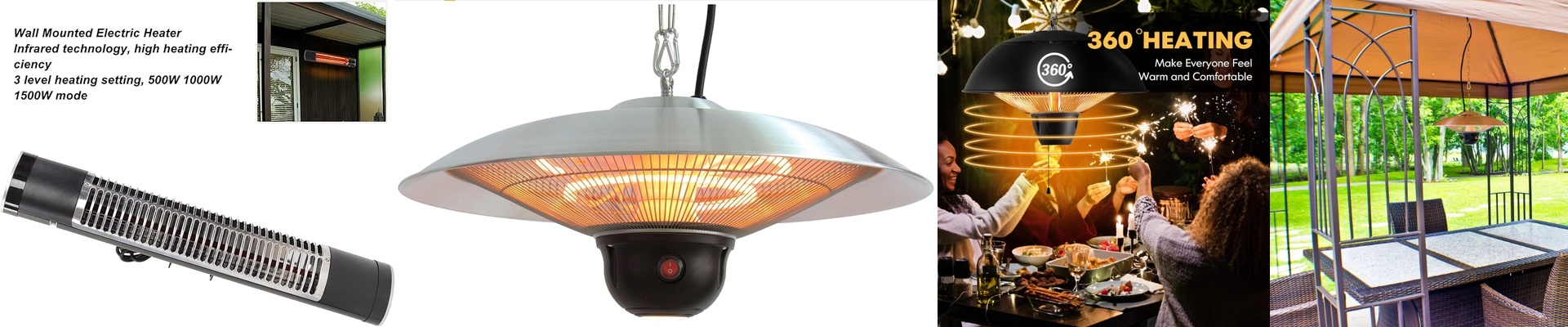
The bread oven infrared tube for reheating leans on quartz-halogen technology to deliver short-wave infrared energy. It comes up almost instantly—full power in seconds—so you hit target surface temperature without waiting on a heavy heating element or baking chamber to climb. The tube throws directed radiant heat that gets into the crust and tops the interior without turning it into a desert. Precision is the point. Pair the tube with a calibrated thermostat or an infrared controller, and you can hold repeatable setpoints across multiple batches. The specs are straightforward: common tube lengths fit standard oven cavities, and you choose power density to match reheat speed to your volume.
Why this works in the real world
In practice, this setup cuts the reheat cycle and keeps bread moving. You get a crisp crust that snaps, not scorches, and an interior that warms through evenly. Because the tube heats on demand, idle energy draw drops compared to keeping a full deck oven hot for small batches. The payoff is fewer pass failures, tighter timing from proofing to service, and less time spent babysitting temperatures.
The things you just have to get right
Mounting and clearance matter. Set the tube at the right distance from the pan or stone hearth to avoid hot spots, and run it on a dedicated circuit that matches its voltage and amperage. Tubes are tough, but they don’t like thermal shock—avoid big, fast swings in power and keep the oven cavity clean. For the best results, match the tube output to your oven size and your typical reheat load.