

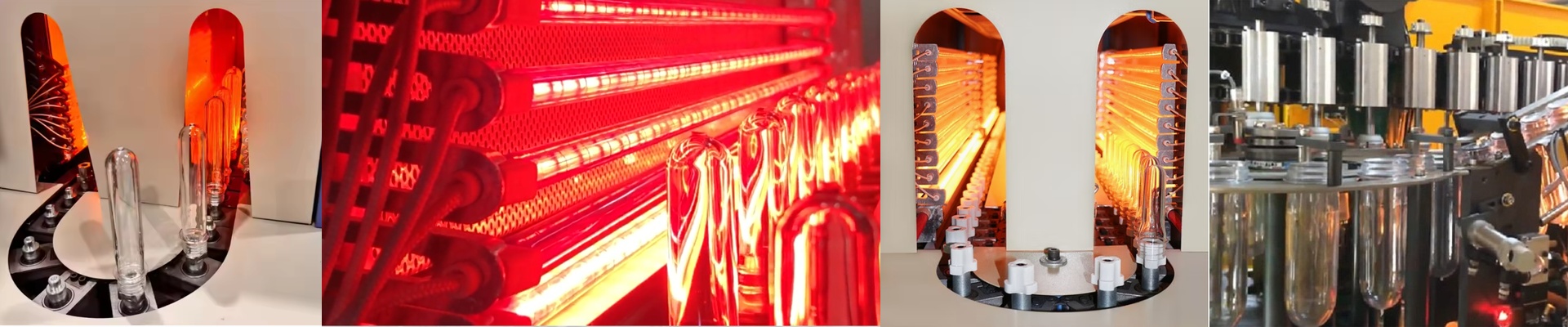
Stop Waiting on Your Ovens: How Linear IR Bulbs Speed Things Up
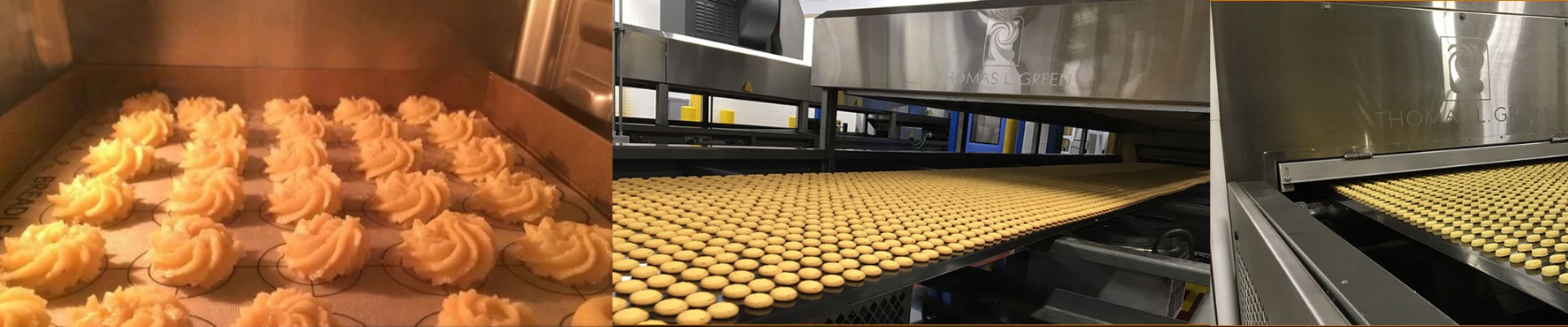
There’s nothing more frustrating than watching your throughput tank because your ovens are taking forever to ramp up. When you’re stuck waiting for that target temperature between batches, you aren’t just losing time—you’re losing money. That’s where linear infrared (IR) bulbs come in. Think of them as a “turbo button” for your heating process. Instead of just heating the air and hoping for the best, these bulbs blast heat directly into the product. It’s a much faster way to get things moving. Why it actually works Most ovens rely on convection, which is basically just moving hot air around. It works, but it’s slow. IR is different. It uses radiation to transfer energy instantly. We figure out the exact wattage and length you need to fit your oven’s footprint. When you add that kind of heat density, the oven hits its operating temperature way faster. Your cycle times drop, and you get way more out of your day. The gear behind the heat We make these bulbs out of high-purity quartz glass. Why? Because industrial ovens are brutal. You need something that can handle sudden, extreme temperature swings without just cracking under the pressure. We also use halogen gas fills. This keeps the filament from burning out too quickly and ensures the heat stays consistent. And don’t worry about a massive electrical overhaul. We use standard bases like R7s or SK15. They’re basically plug-and-play. You just pop them into the existing sockets and you’re good to go. A few things to watch out for Here’s the catch: you can’t just crank the heat to max and call it a day. If you put too much wattage in one small spot, you’ll scorch the outside of your dough before the middle is even warm. You’ve got to find that sweet spot between the IR intensity and how fast your belt is moving. Plus, remember that quartz is glass. It’s tough against heat, but it hates being hit. If your oven shakes a lot or your crew is a bit rough during the cleaning shift, do yourself a favor and install some protective cages. It’s a lot easier to install a cage than it is to clean up shattered glass in a bakery.