Getting That Perfect Golden Crust: A No-Nonsense Guide to IR Heating
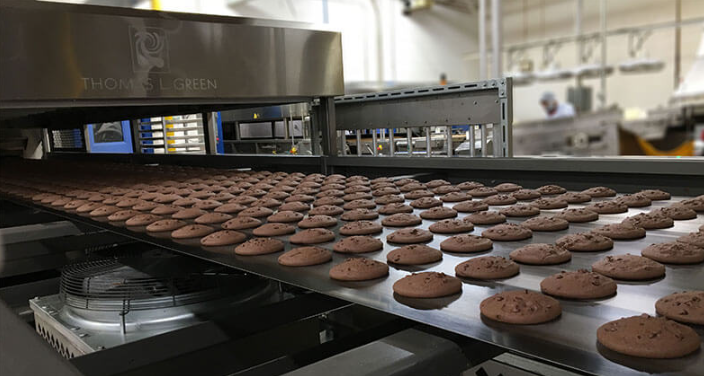
If you’ve ever pulled a tray of bread out of the oven and felt that split-second of disappointment because it’s a bit too pale—or worse, charred on top but raw in the middle—you know the struggle. Getting that textbook golden-brown crust isn’t magic; it’s all about how you handle your infrared (IR) intensity. We use circular quartz tubes for a reason. They spread the heat evenly. No weird hot spots, no random burnt patches. Just a consistent glow across the whole loaf. Finding the sweet spot Here’s the thing: hitting the right color is a balancing act between your wattage and how close the tubes are to the dough. Now, short-wave IR is like a sprint. It hits the crust fast and hard. It’s great for a quick sear, but if you aren’t careful, you’ll burn the outside before the center even knows it’s in the oven. That’s why we usually lean toward medium-wave quartz tubes for bakeries. They provide a steadier, deeper heat soak. If your bread is looking a bit ghostly, you have two choices: crank up the wattage or slide those tubes a little closer. The gear under the hood We make these things from high-purity fused quartz. Why? Because ovens are brutal. They heat up and cool down fast, and cheap materials just crack under that kind of stress. Since no two ovens are exactly the same, we don’t do “one size fits all.” We can tweak the lengths and diameters to fit your specific setup. You can go with clear quartz to let as much IR through as possible, or we can coat them if you need to shift the heat spectrum. Wiring is pretty simple, but just a heads-up: make sure your controllers can actually handle the load. We can adjust the wattage to match your current power supply so you aren’t staring at a blown fuse on a busy Tuesday morning. A pro tip on longevity It’s tempting to push high-wattage tubes to their absolute limit to get maximum heat. But there’s a catch. When you run them at 100% all the time, the filaments evaporate faster and the seals take a beating. Your lamps will burn out way sooner. My advice? Build in a little breathing room. We recommend sizing your system with about 10-15% overhead. It sounds counterintuitive, but by having more power available than you actually need, you can get that perfect browning while running the lamps at a lower percentage. Your equipment stays cooler, and your tubes last a whole lot longer.