

Getting the Heat Right in Your Snack Line
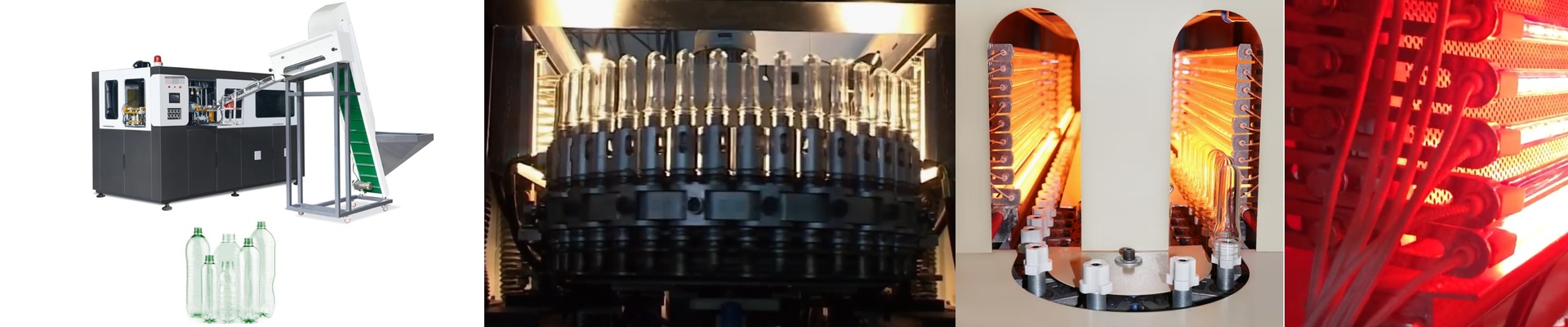
If you’ve ever run an automated kitchen, you know the nightmare of scorched product. It happens in a heartbeat. To stop that from happening, you need your heat source to talk to your control system almost instantly. That’s why we use circular infrared tubes. They’re fast. Really fast. Instead of waiting for air to heat up like a traditional oven, these tubes blast short-wave radiation straight into the food. It hits the surface and sinks in immediately, which is exactly what you need when your line is moving at full speed.
The Nitty-Gritty of Control
Here is the thing: you can’t just plug these in and hope for the best. You have to make sure your tube’s wattage and voltage actually play nice with your PID controller. I usually suggest going with a higher voltage. It keeps the current draw lower, which means your wiring isn’t sweating under the load. But be careful. If you try to cram too much wattage into a tiny tube, you’re going to fry the filaments. It’s a balancing act—you want that heat, but you don’t want “hotspots” that ruin your batch.
Materials and the “Weak Spot”
We use high-purity quartz for these. It’s not just about being fancy; it lets the IR light pass through without getting blocked. And the circular shape? That’s there so the heat hits every side of your snack evenly as it rotates. Depending on what you’re cooking, we can even tweak the coating to change how the heat behaves. But let’s talk about where things actually go wrong:the connection point. Most failures happen right here. If a connector isn’t seated perfectly, you get arcing. Then, boom—your tube dies prematurely. We stick to standard industrial connectors because they actually stay put.
Real-World Trade-offs
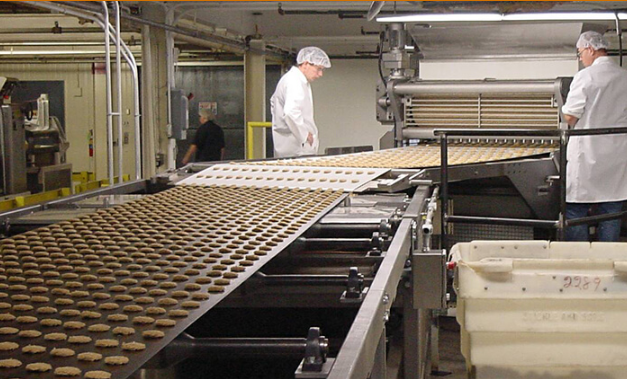
When you hook these tubes up to a PLC, you get some great control. You can set up “heat bursts” that trigger the second a sensor sees a snack coming down the conveyor. It’s a smooth process. But there’s a catch. Quartz is fragile. It can put out an incredible amount of heat, but it hates being shaken. If your main chassis vibrates, that glass is going to crack eventually. It’s just a fact of the materials. If your machine is a bit “shaky,” don’t just bolt the tubes in. Use dampened mounts to isolate the assembly. Give the glass some breathing room, and it’ll last a whole lot longer.