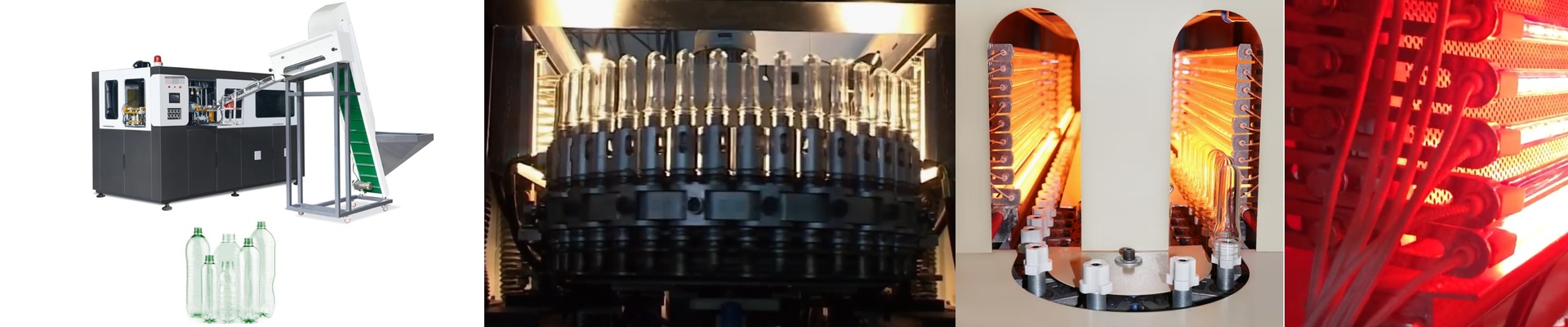
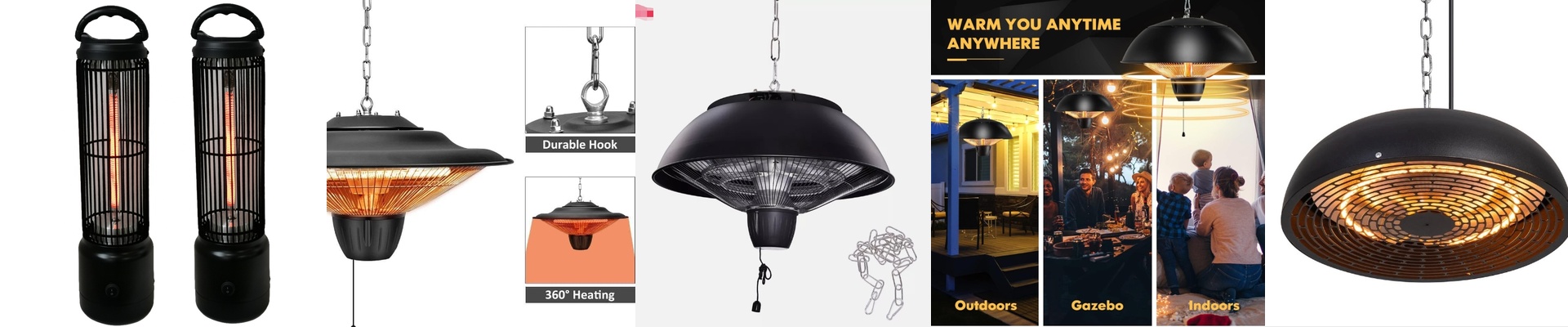
When the rush hits, a slow or uneven hot dog warmer doesn’t just cost you time—it costs you consistency. The Ruby Hot Dog Warmer Infrared Tube was built for the line where speed, temperature stability, and energy use all have to hold up under pressure. What matters, technically The Ruby uses an infrared tube that puts radiant heat directly on the product, not the air around it. That translates to fast recovery after the doors pop open, and stable holding temps even when you’re loading and unloading the cabinet over and over. The tube runs on a focused heat profile that keeps surface temperature steady without scorching, while the internal reflector pushes the energy where it needs to go—onto the food. In practice, you get quicker warm-up from a cold start and fewer temperature swings during service. Why it works in the real world In a busy foodservice setup, the Ruby infrared tube turns holding into a repeatable process. You keep hot dogs at the right temperature with less overcooking, so texture and juiciness stay consistent through the whole rush. Because the heat is targeted, you also cut the wasted energy that comes from heating empty air and overworking the thermostat. The payoff is faster turnout, more consistent quality, and a measurable reduction in energy use per hour of service. Here’s what you need to keep straight Infrared tube performance depends on clear line-of-sight inside the cabinet. If racks, pans, or packaging block the radiant path, you’ll get uneven holding. Plan your layout so the tube “sees” the product, and keep the tube and reflector clean—grease and residue will throw things off. Also confirm voltage and mounting compatibility with your existing warmer. This tube isn’t a plug-and-play fit for every model, but when it’s matched correctly, it runs cooler at the source and holds up longer under steady cycling.