Getting the Crust Right: Why Precision Heat Actually Matters
If you’ve ever spent time in a high-end bakery, you know that a single degree can be the difference between a perfect loaf and a wasted batch. That golden-brown color we all love—the Maillard reaction—is picky. Most ovens rely on convection, which is basically just blowing hot air around. The problem? Air is slow. By the time the oven realizes the temperature has dipped, your product has already suffered. That’s why we use fast-response IR emitters. Instead of waiting for the air to heat up, these hit the surface of the bread instantly. It’s like the difference between warming up a room with a heater and feeling the sun hit your face on a cold day.
How the Magic Happens
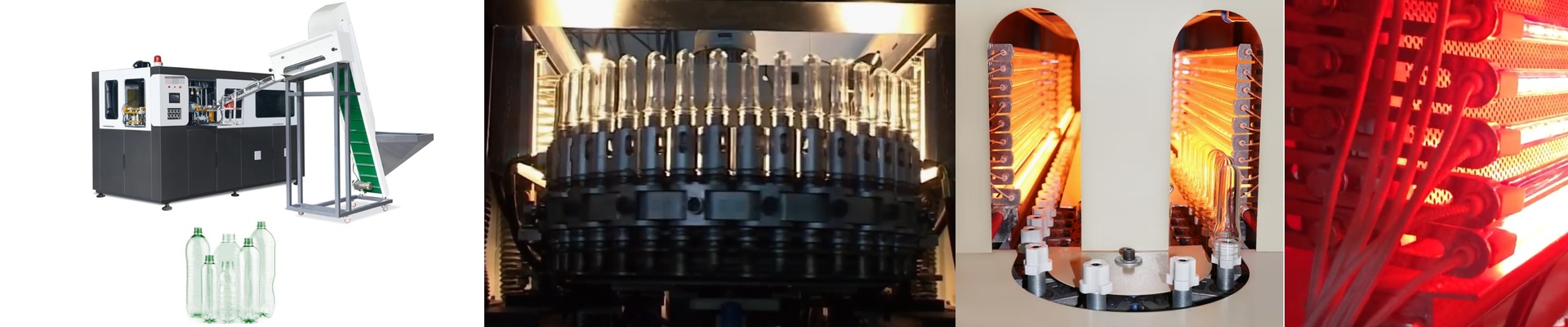
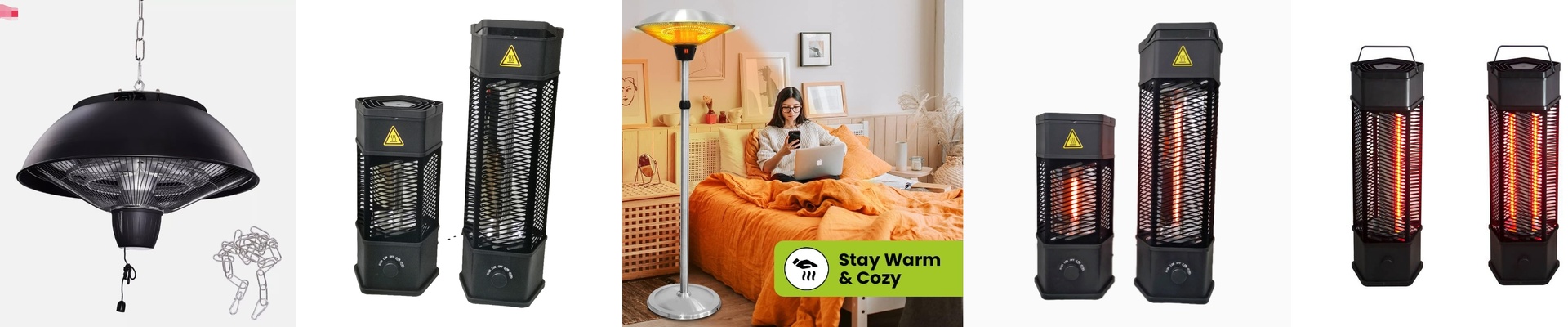
We use halogen-filled quartz tubes for this. Unlike those old-school heavy coils that take forever to warm up, these lamps hit full power in milliseconds. When we pair them with a PID controller, the system can pulse the power on and off incredibly fast. No more “thermal lag.” You get a tight, controlled window of heat, meaning you get that perfect gold crust without accidentally baking the inside into a brick.
A Few Things to Watch Out For
We can customize the wattage and voltage to fit whatever oven you’re running. Now, if you go for high-wattage shortwave emitters, you’re getting some serious heat density. It’s powerful. But there’s a catch. That kind of power puts a lot of stress on your electrical setup. If you’re installing a high-density array, just make sure your wiring and contactors can handle the constant switching. You don’t want your hardware wearing out prematurely because it’s working too hard. Also, a quick heads-up: the quartz tubes are the secret to the heat, but they’re fragile. Treat them with care. We always suggest using reinforced connectors so you don’t accidentally snap something during installation.
Mixing IR with Air
The real sweet spot is using IR and convection together. Think of it this way: the hot air handles the core of the bread, while the IR manages the finish. It’s a hybrid approach that lets you shave time off your bake and push more product through the door. Just remember that IR works on a “line-of-sight” basis. If your trays aren’t loaded evenly, you’ll get some spots that are darker than others. It takes a bit of patience to align the emitters perfectly, but once you do, the results are night and day.