
Getting That Perfect Golden Crust (Without Burning It)
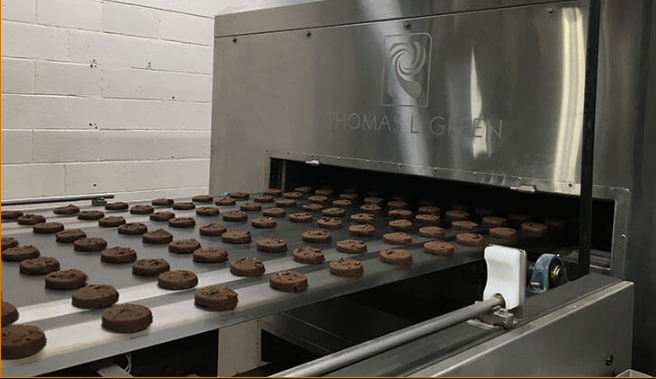
Ever had a batch of bread where the crust went from “perfectly golden” to “burnt charcoal” in about ten seconds? It happens. The difference usually comes down to how fast your oven can actually react to temperature changes. In our deck ovens, we use specific heating elements that respond almost instantly. It’s all about hitting that sweet spot where the sugars caramelize, and then stopping right there before things get scorched. The problem with “heavy” heaters Here is the thing about standard heaters: they have a lot of “thermal inertia.” That’s just a fancy way of saying they stay hot for too long. Even after your controller tells the oven to cool down, a heavy element keeps dumping heat into your dough. It’s like trying to stop a freight train—it just keeps rolling. We use low-mass, high-density elements instead. They ramp up fast and, more importantly, they shut off fast. No more “carry-over” cooking that ruins a delicate crust. No cold spots, no burnout We picked alloys that spread heat evenly across the entire deck. You won’t find those annoying cold spots where one loaf comes out pale while the others are dark. Plus, we built the wiring to handle the stress. Since these elements click on and off every few seconds to keep the temp steady, the internal filaments have to be tough. They won’t snap or wear out from the constant expansion and contraction. Making it work for you You can slide these into most professional deck oven setups. They wire up quickly and play nice with standard PID controllers. But a quick heads-up: this hardware is only as good as your sensor. If you’re using a slow or poorly placed thermocouple, you’re wasting the element’s speed. It’s like putting racing tires on a golf cart. Pair these elements with a fast-acting sensor, and you’ll be able to hold your target temperature exactly where you want it.