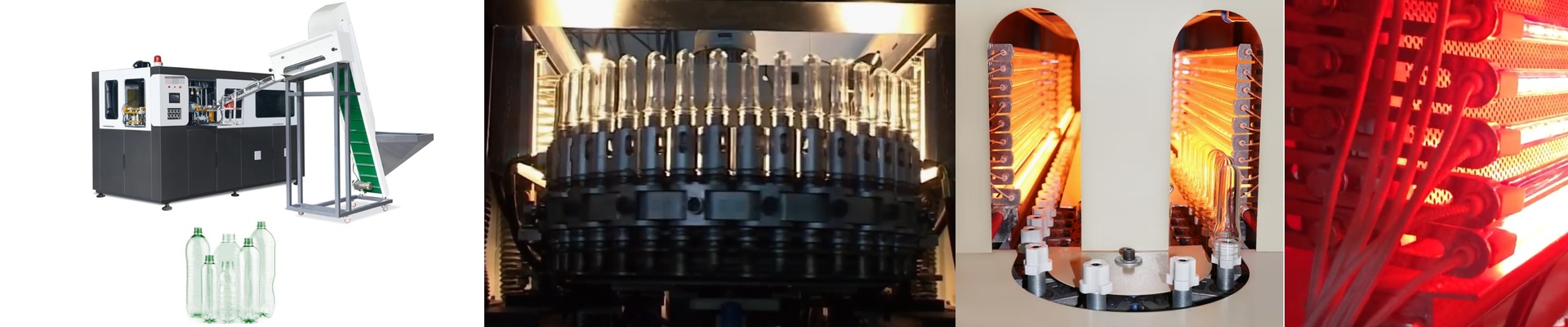
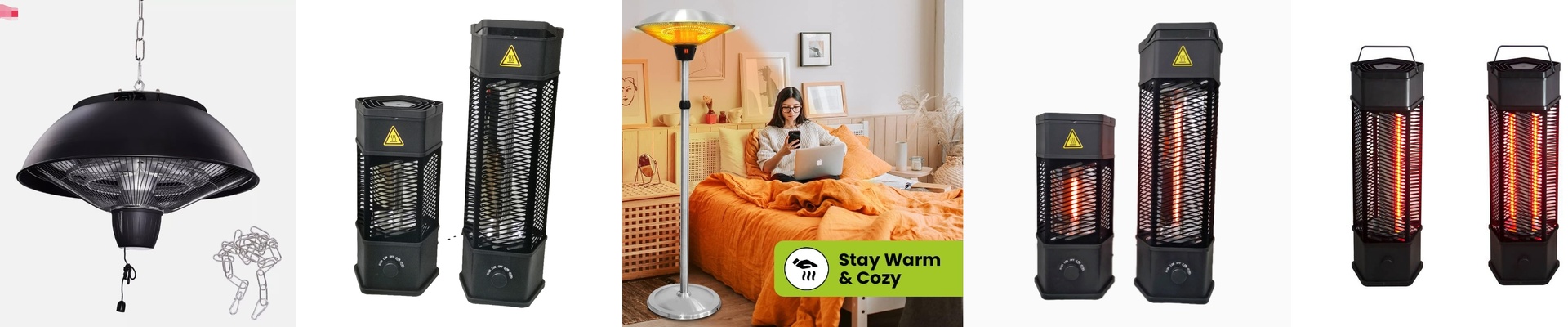
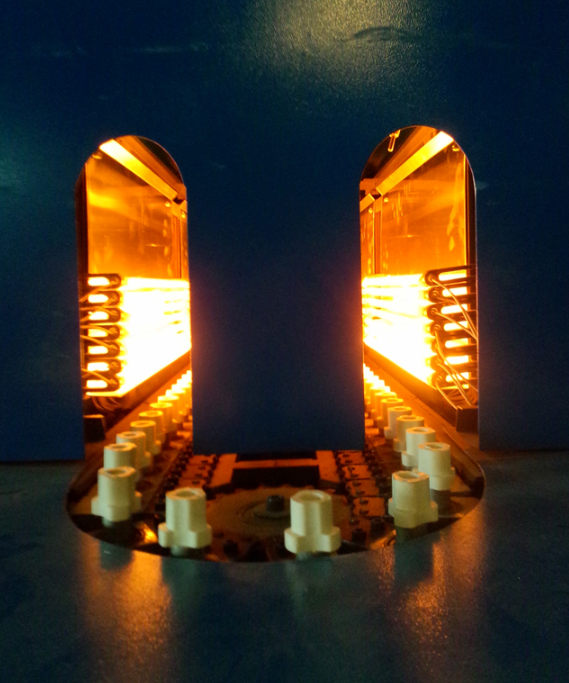
On the blow molder, when the heating goes south, your preform conditioning stalls out fast. One bad R7s halogen or IR emitter, and you lose heat uniformity, slow the cycle, and watch bottle quality slip. Downtime costs, and OEM lamps always carry a premium. What matters, technically We build a high-temp ceramic R7s lamp socket that matches the OEM dimensions and electrical behavior you need on PET stretch blow molding machines. The ceramic body lives in sustained operating temps without complaining, and the R7s base accepts standard infrared lamps and halogen emitters. Specs are picked to align with typical heating tunnel power density and voltage, so preform heating stays repeatable. Contact geometry and insulation prevent arcing and leakage, which keeps output stable—no drift. Why it holds up in the tunnel In the heating tunnel, consistent infrared energy is what keeps wall thickness even and cycle time tight. Our R7s socket delivers OEM-level performance at a direct-replacement price, so you can swap lamps without re-engineering the line. You keep the same heating profile, cut unplanned stops, and trim spare-part spend. In practice, that translates to fewer rejects, fewer lamp changes, and energy use per bottle that you can count on. A few shop-floor notes Installation is straightforward, but match the lamp wattage and voltage to the socket rating and the machine’s control settings. Double-check clearances in the heating zone—ceramic runs hot, and airflow matters. Also verify connector orientation and terminal spacing against your existing lamp base so you don’t run into a mismatch. If you’re running high-output emitters, confirm reflector alignment, then re-check it after the first shift.