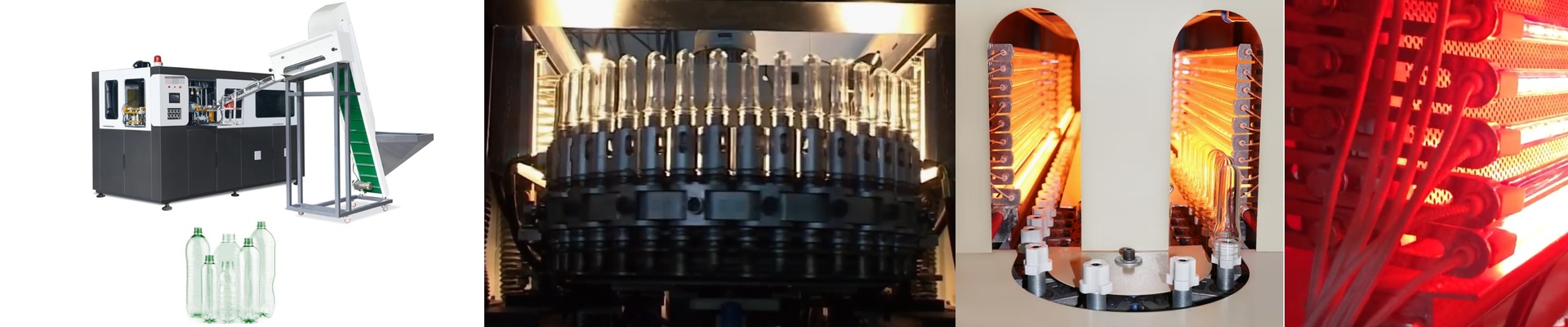
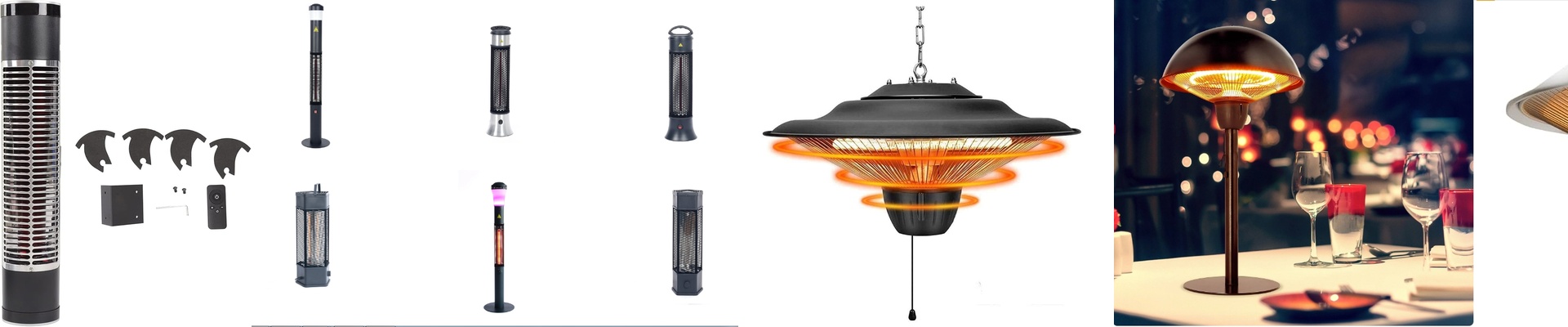
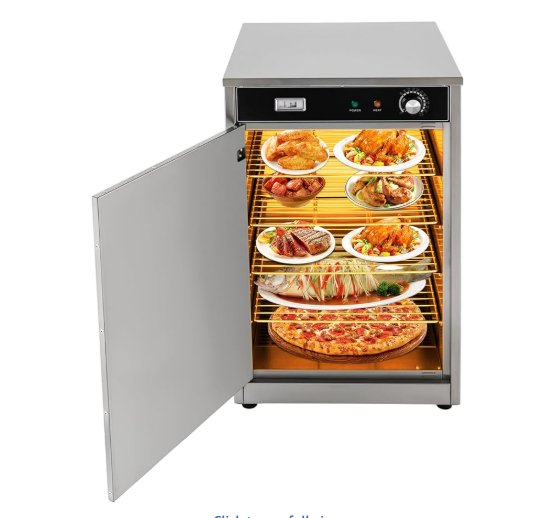
In a busy bakery, oven uptime and temperature stability aren’t buzzwords. They’re the difference between a full rack of blistered loaves and a tray of pale, under-proofed bread. When the heating element starts to struggle, you feel it in the dough, in the timing, and on the energy bill. What matters under the hood We use a nichrome ceramic heater built for the realities of a commercial deck oven. The nichrome resistance wire sits inside a high-density ceramic core, so heat transfers quickly into the baking chamber while the outer structure stays more thermally contained. You get a fast ramp from cold start to service temperature, and a holding heat that doesn’t dip every time the oven door swings open. In practice, the stone hearth recovers faster between bakes, and the thermostat cycles less often—both of which directly affect crust development and caramelization. Why this makes sense on the line A bakery deck oven needs heat that behaves predictably over long service windows. The ceramic heater responds quickly enough to handle a busy morning rush, yet stays stable enough to bake thin crusts and thick artisan loaves evenly on the same schedule. You end up with more consistent bakes, batch after batch, and fewer on/off cycles help keep energy use per bake cycle in check. If you’re also running rotary ovens or convection units, the same heating logic gives you more repeatable temperature profiles across different product lines. A couple of shop-floor notes Because ceramic heaters store heat, plan for extra warm-up time after cleaning or a full cooldown—starting from cold can feel slower than a thin-wire element. Also, confirm voltage and mounting clearances before installation. These heaters need proper spacing and a stable, dry connection to hold up in a humid kitchen.