Getting Your Sidel Matrix Lamps Right
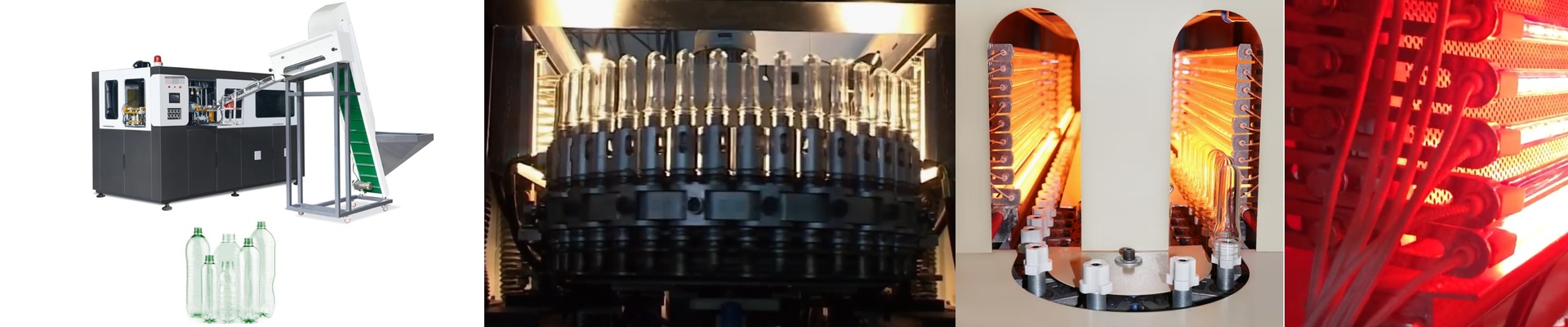
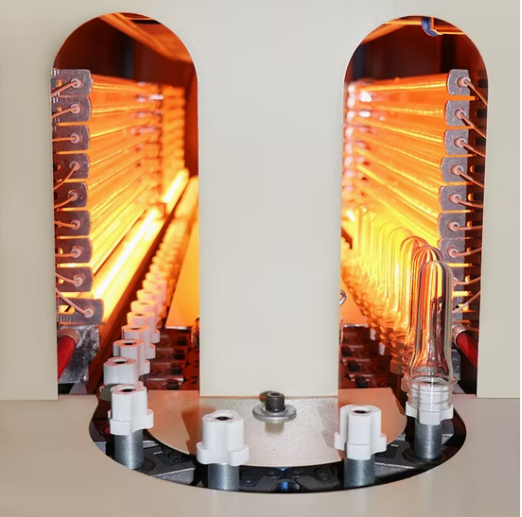
Here is the problem when you swap out the original lamps in a Sidel Matrix machine: the temperature curve usually shifts. It sounds like a small detail, but if the wattage or the light spectrum is even slightly off, your preheating gets messy. That’s how you end up with bottles that have weird wall thickness—too thin in some spots, too thick in others. We build our replacement lamps to match the original specs exactly so you don’t have to deal with that headache. It’s more than just voltage A lot of people think matching the voltage and wattage is enough. It isn’t. We focus on the heat density. The filament has to have a very specific ohms-per-millimeter ratio to fit the footprint of the original Sidel tubes. If the filament is too short or the voltage is slightly skewed, you get hot spots. We calibrate the power output so you can just plug them in. You won’t have to spend your entire weekend messing with oven timers or rewriting your PLC settings. The gear inside We use high-purity quartz glass because these things take a beating from rapid heating and cooling. We also tune the internal halogen cycle to stop the filament from evaporating too fast. Basically, it means the lamp lasts longer before it pops. For the Matrix, we lean into short-wave infrared. This is key because it pushes the heat deep into the PET preform quickly. It doesn’t just bake the surface; it gets all the way through. Plus, they’re true drop-in replacements. They fit your sockets perfectly. No rewiring, no fuss. One thing to keep in mind High heat density is great, but it puts a lot of pressure on your oven’s ventilation. If your cooling fans are clogged with dust or just aren’t pulling their weight, the ambient heat builds up. That’s a quick way to kill a lamp’s lifespan. As long as your airflow is healthy, you’ll get that factory-perfect thermal profile without the factory price tag.