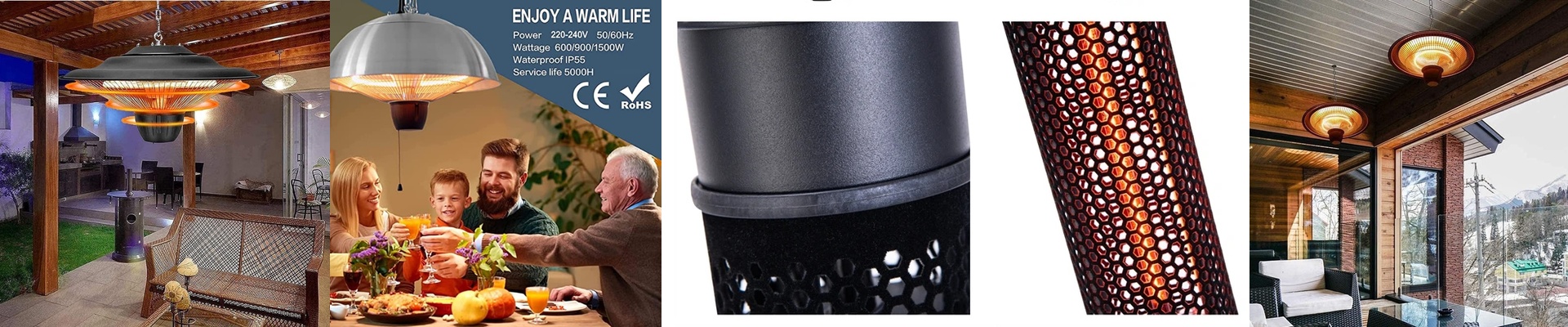
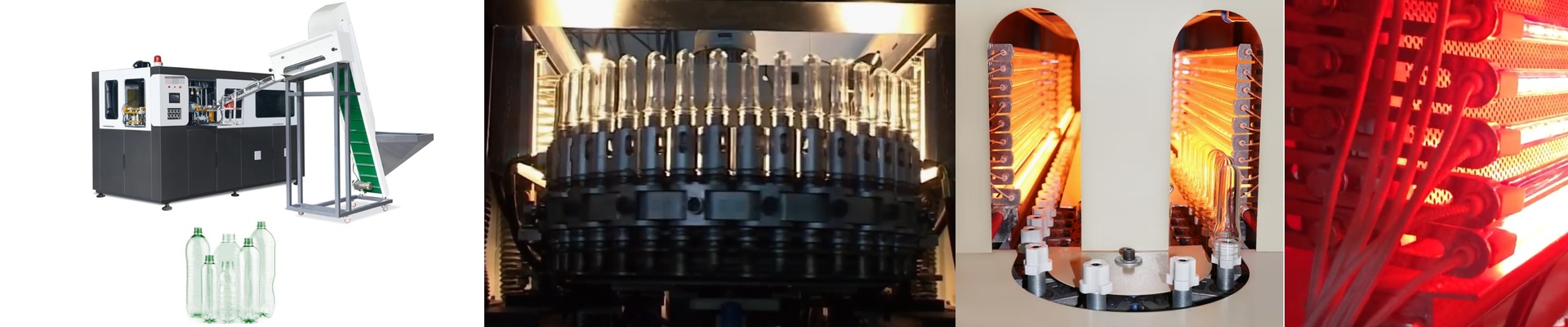
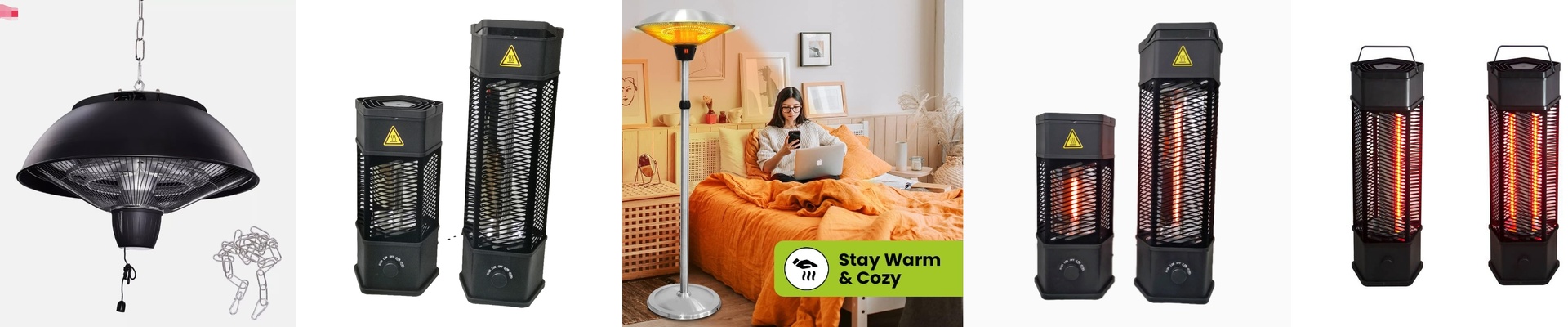
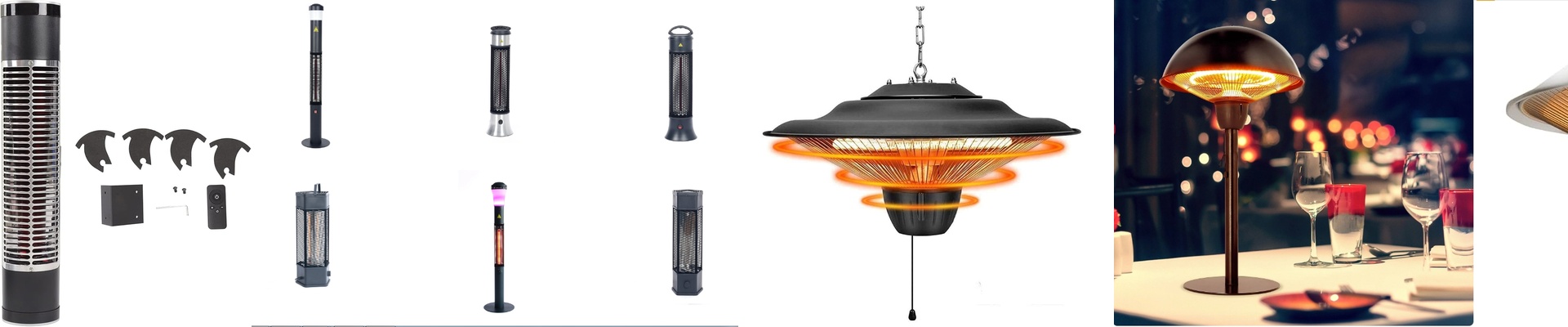
In a busy kitchen, heat control is the difference between a crisp crust and a soggy bottom, between holding steady and reworking food. When your buffet line, deck oven, or holding cabinet has to keep a constant temperature through service, the heating element needs to deliver even radiant energy without hot spots. That’s where the chafing dish frosted quartz IR heater earns its keep.
What matters technically
We built this heater around a frosted quartz envelope and short-wave infrared. The frosted surface diffuses the IR output, spreading energy evenly across the pan and food, so you get consistent warming instead of scorching one edge while the other goes cold. The quartz tube comes up to temperature fast—hits target in seconds—and holds output even when the door keeps opening. Typical ratings run 400–800 W, with 120/220 V options, and the lengths are compact enough to drop into standard chafing frames and under-counter holding cabinets. The leads are terminated for solid connections, and the element is built for dry or moist-heat environments, handling the humidity of proofing and the spills of a busy service line.
Why it works in real service
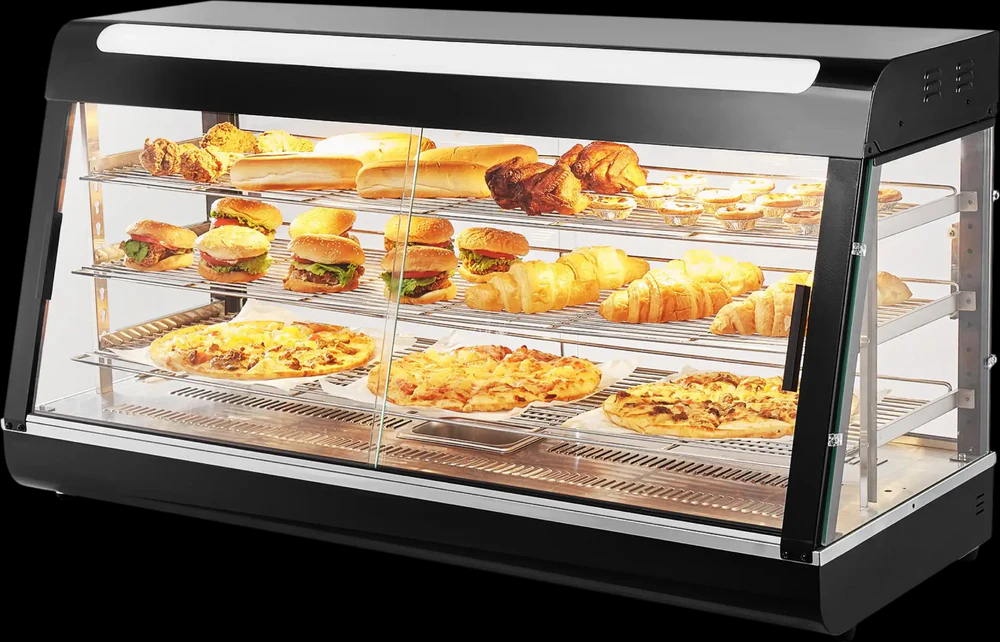
On the pizza line, recovery is everything after a pie leaves the deck. The IR heater brings the stone back fast, so the crust stays crisp. In the bakery, proofing cabinets hold steady without swings that cause over-proof or collapse. For buffet service, chafing dishes with frosted quartz IR heaters keep sauces and proteins in the safe zone, preserving texture and flavor. In convection or holding ovens, the even radiant heat cuts down on surface drying, so roasted vegetables and glazed items look as good at the end of service as they did at the start. The result is fewer throwaways, consistent plate presentation, and lower energy use per hour of holding.
The practical details
Mounting and spacing matter. Keep the element at the recommended distance from the pan so you don’t overheat the food surface, and make sure the chamber has enough air circulation to avoid localized hot spots. These heaters are for food warming and holding, not open flame or high-temperature grilling. Match voltage and socket compatibility to your cabinet before installation, and run the correct wiring and thermal protection for your local code. Treat the quartz like glass—no impacts, and wipe with a dry cloth only.