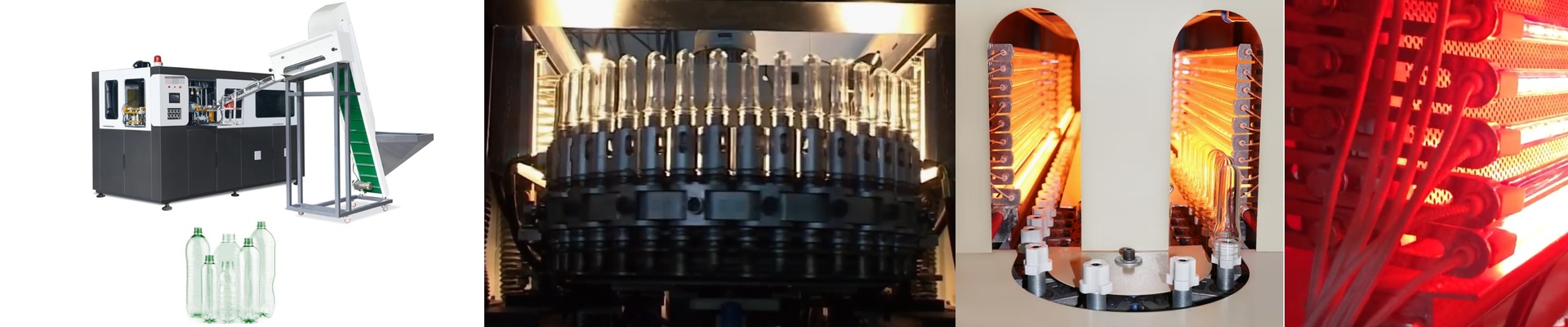
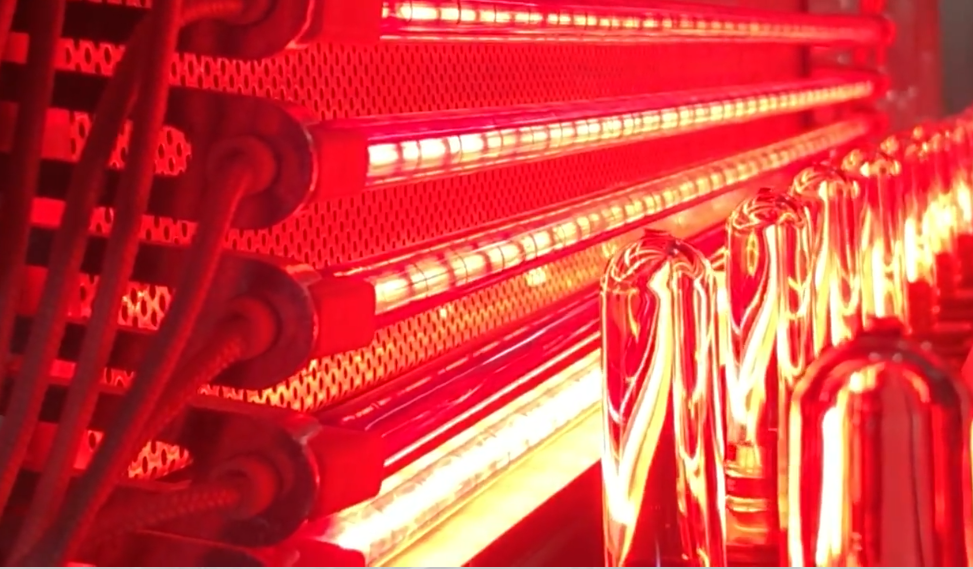
On the blow molding line, uneven preform heating shows up fast—off-center bottles, blown threads, and scrap that should have been good parts. Often the problem isn’t the lamp itself, but the end cap that keeps alignment and holds the heat where it needs to be.
What matters, technically
We build the ceramic end cap for IR lamps to live in the heating tunnel—high heat, rapid thermal cycling, and the mechanical shock of lamp changes. Ceramic gives stable dielectric strength and holds its geometry through repeated heating, so the lamp stays centered in the reflector. The interface is designed to match common IR emitter bodies and the standard R7s connector spacing used across blow molders. Dimensions are held to tight tolerances so the lamp seats squarely—no wobble, no uneven gaps that create hot and cold bands across the preform wall.
Why it makes a difference on the floor
When the lamp sits true, the heating profile repeats shot after shot. You get tighter temperature uniformity across the preform, which means fewer pinholes, more consistent stretch, and less thickness variation at the finish. That stability also cuts energy waste from over-heating and rework. In practice, plants running these caps see fewer unplanned stops tied to heating drift, and longer intervals between lamp-related adjustments.
What to check before you order
Before ordering, confirm the lamp length, wattage, and end-cap mounting dimensions on your blow molder. Some machines use proprietary reflector geometries or special clearances around the heating zone—measure the cavity and compare the cap footprint. Ceramic parts are tough, but they’re brittle. Treat them like precision components during handling and lamp installation, and don’t pry against the ceramic body.