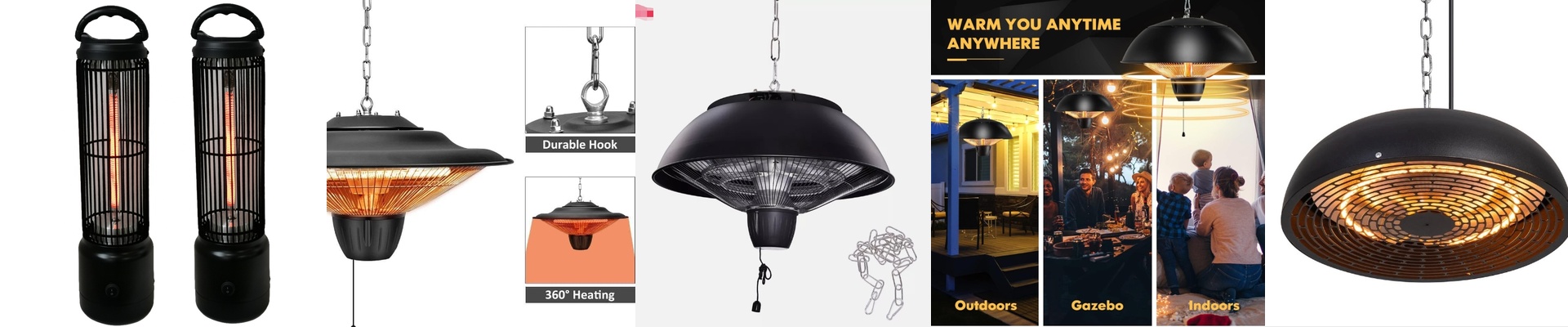
Getting That Perfect Sear: Why We Use Ceramic Heating Elements
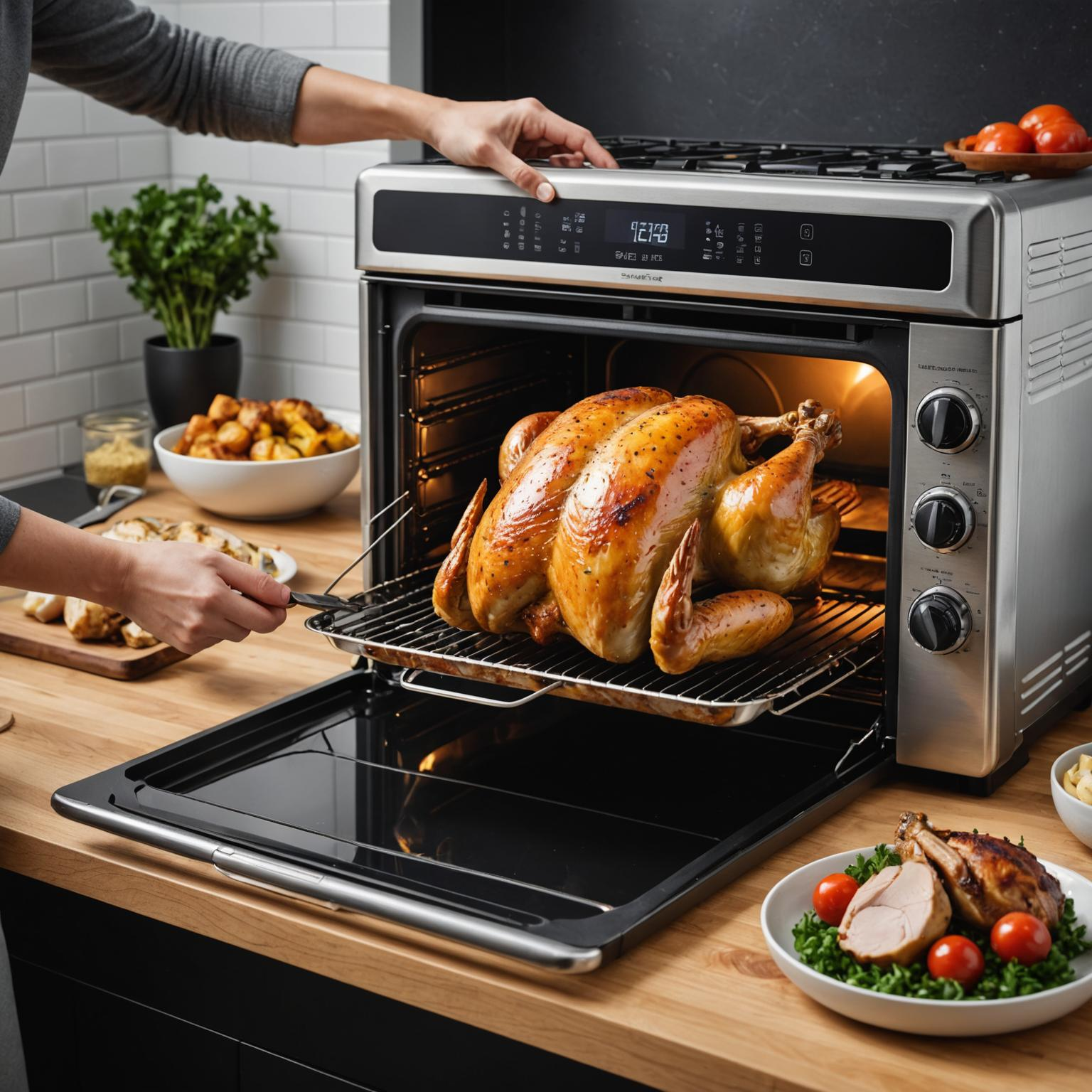
You know that specific char and crispiness you only get in a high-end restaurant oven? That’s the Maillard reaction at work. It’s a picky process. If your oven is too slow to heat up, your food just steams. If it overshoots the mark, you’ve burnt the outside before the middle is even warm. It’s a frustrating tightrope to walk. That’s why we went with high-density ceramic thermal elements.
Speed and Control
Here’s the thing about ceramic: it hits a sweet spot between heat density and response time. Traditional metal coils are like big old tankers—they take forever to speed up and even longer to slow down. Ceramic is different. It lets us tweak the temperature in seconds. We push these for high-wattage output so that when you swing the oven door open and let all that heat escape, the oven bounces back to its set point immediately. No temperature dip. No ruined sear. Just consistent heat.
Built to Last (and Distribute)
The ceramic housing isn’t just for show. It protects the internal wiring from wearing out or oxidizing. Plus, it can handle the shock of jumping from cold to scorching hot without cracking. But the real win is how the heat moves. These elements give off a steady infrared profile. Instead of creating “hot spots” that burn one side of your dish while the other stays pale, the heat actually penetrates the food evenly. It just works.
The Trade-off
Now, this kind of precision doesn’t come for free. Fast-acting elements put a lot of pressure on your control board. To actually get that split-second response, you can’t cut corners. You’ll need a high-frequency PID controller and heavy-duty relays. And because we’re pushing so much wattage, the oven chassis gets hot. You’ve got to get your insulation and ventilation right, or the outside of the machine will start feeling like a radiator. One last tip: don’t try to run these on a basic on/off thermostat. You’ll lose all that precision we just talked about. Use a Solid State Relay (SSR) to modulate the power. It keeps the temperature rock-steady and stops the ceramic core from taking those brutal thermal spikes that shorten its lifespan.